
The United States remains the world’s most powerful nation, but measurable outcomes from 2021–2025 under Democratic control of the White House and many major cities show clear costs in border security, public safety, energy reliability, fiscal health, and institutional focus. Record illegal crossings, fentanyl deaths in the tens of thousands, urban homicide spikes, higher energy prices in key sectors, $8+ trillion in added debt, and the insertion of race- and sex-based ideology into the military and schools are not abstract partisan talking points. They are documented results of deliberate policy choices that prioritized ideology, open entry, reduced enforcement, and green mandates over enforcement, merit, domestic production, and fiscal restraint.
These outcomes weakened relative American strength—security at the border, cohesion in cities, energy independence from adversarial supply chains, and readiness in the armed forces—while competitors (China especially) advanced. Recent reversals under the second Trump administration (historic low crossings, declining overdose deaths, rebounding policing) underscore that the prior trajectory was not inevitable.
Border Collapse and the Human and Fiscal Price
Southwest land border encounters exploded under Biden-Harris. CBP data show annual figures routinely above 2 million in peak years (FY2022 ~2.2 million), with months exceeding 200,000. By contrast, FY2026 under Trump recorded under 99,000 southwest Border Patrol apprehensions—the lowest in decades and a ~95% drop from Biden-era averages—with zero releases into the interior for an entire fiscal year and 17 consecutive months.
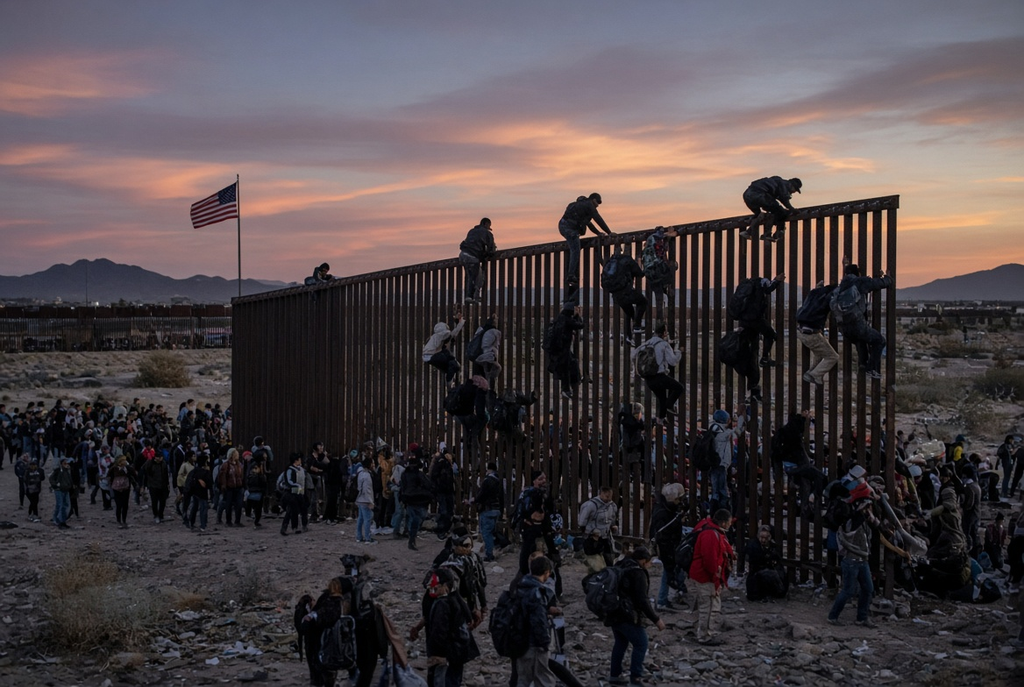
This was not “just economics” or global trends. Policy signals mattered: the end of Remain in Mexico, expanded parole and catch-and-release, sanctuary jurisdictions that limited cooperation with ICE, and rhetoric framing enforcement as cruelty. Cartels treated the corridors as a revenue stream (human smuggling estimates in the billions). Fentanyl, largely smuggled through ports and between them, contributed to record overdose deaths. Synthetic opioid deaths peaked near 49,000 in 2024 before falling 22% to ~38,000 in 2025 amid tighter interdiction and supply disruption.
Fiscal costs compound the security failure. A Council of Economic Advisers analysis estimated a lifetime net fiscal cost of roughly $167,000 per illegal immigrant, with the recent cohort projecting $1.4–1.9 trillion in taxpayer burdens under expanded benefits scenarios. Mass amnesty-plus-benefits proposals carried multi-hundred-billion-dollar price tags over a decade while raising rents and suppressing low-end wages in high-inflow metros.
Critics correctly note that some late-Biden executive actions slowed the flow and that “encounters” are events, not unique people. The scale relative to historical norms and the subsequent collapse under restored deterrence still demonstrate that policy levers work. Sanctuary policies in places like New York, Illinois, and California continued to shield criminal aliens even after federal enforcement resumed, prioritizing non-citizens over local victims in documented cases of homicide, sexual assault, and trafficking.
Crime, De-Policing, and Progressive Prosecutors
The 2020–2021 homicide surge was national but concentrated in large cities. Murders rose sharply (CDC excess deaths in the tens of thousands) amid Floyd-related protests, COVID disruptions, and explicit “defund” or reimagine-policing rhetoric. Cities that cut budgets or disbanded units (Austin, Portland, Minneapolis) saw larger percentage increases than peers that did not. Arrests and stops fell ~40% in high-crime metros before rebounding; as proactive policing returned, homicides fell 30%+ from 2021 peaks in many places by 2024–2025.
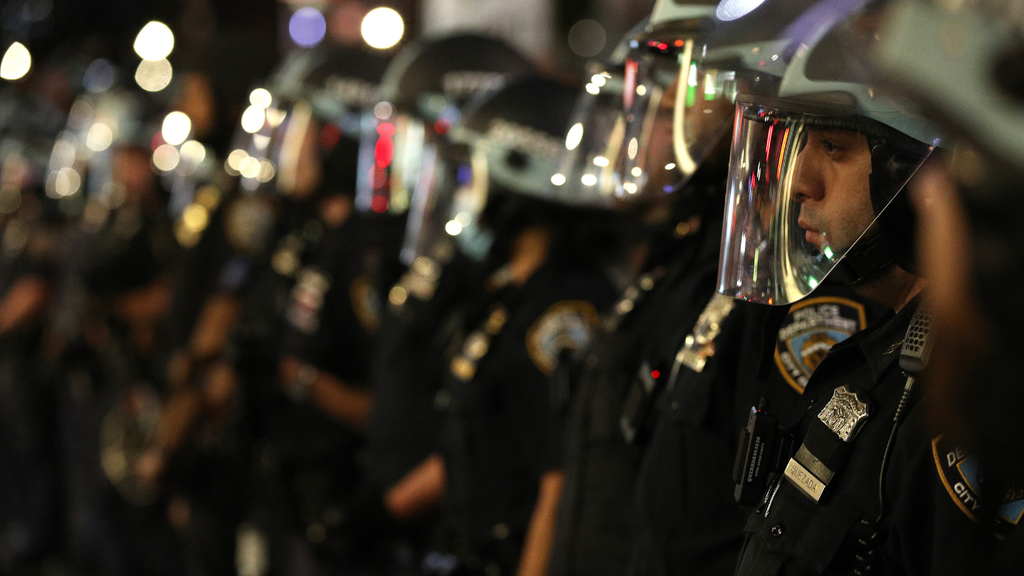
Soft-on-crime tools amplified the damage: no-cash bail expansions, progressive prosecutors declining to charge retail theft, gun, or drug cases, and reduced police morale/recruitment. Blue cities dominated the highest homicide rankings for years. National violent crime later declined sharply (nearly 10% in 2025 per some FBI preliminaries; murder down ~18%), consistent with restored deterrence, more officers, and targeted enforcement. Claims that “defund never happened at scale” or that budgets only rose ignore the temporary cuts, the de-policing effect (officers pulling back), and the correlation between activity levels and outcomes in the data.
Public safety is a core state function. Policies that treated policing as the problem rather than a necessary tool for equal protection under law produced measurable excess deaths and disorder, disproportionately harming the urban poor the Left claims to champion.
Energy Restrictions and Strategic Vulnerability
Biden-Harris canceled Keystone XL, paused federal leasing, expanded monument and land withdrawals, raised royalties and bonding, and pursued aggressive EV and renewable mandates via the Inflation Reduction Act. U.S. crude production still hit records (~13+ million barrels/day) thanks to prior private-land technology and shale, but federal land policy made development harder and more expensive. Residential electricity prices rose substantially; gasoline spiked with the Ukraine shock and SPR drawdowns (180 million barrels released).
The strategic risk is dependence. China dominates solar panels, batteries, rare earth processing, and much of the wind supply chain. Mandating rapid electrification while restricting domestic oil, gas, coal, and mining hands leverage to a strategic competitor. Critics of the “green” path correctly note that China’s own emissions continued rising via coal while U.S. natural-gas substitution had already cut American CO2. Record production under constraints does not erase the opportunity cost or the price volatility households felt.
Fiscal Overreach and Inflation’s Real Wage Hit
Gross national debt rose from ~$27.8 trillion to ~$36.2 trillion under Biden (+$8.5 trillion). Major drivers included the $1.9 trillion American Rescue Plan, infrastructure and CHIPS spending, student-loan transfers (partially blocked by courts), and interest costs that ballooned as rates rose to fight inflation. Inflation averaged ~5% over the term and peaked at 9% in 2022; cumulative price increases of ~20% outpaced wage gains for many, eroding purchasing power by thousands of dollars for average workers.
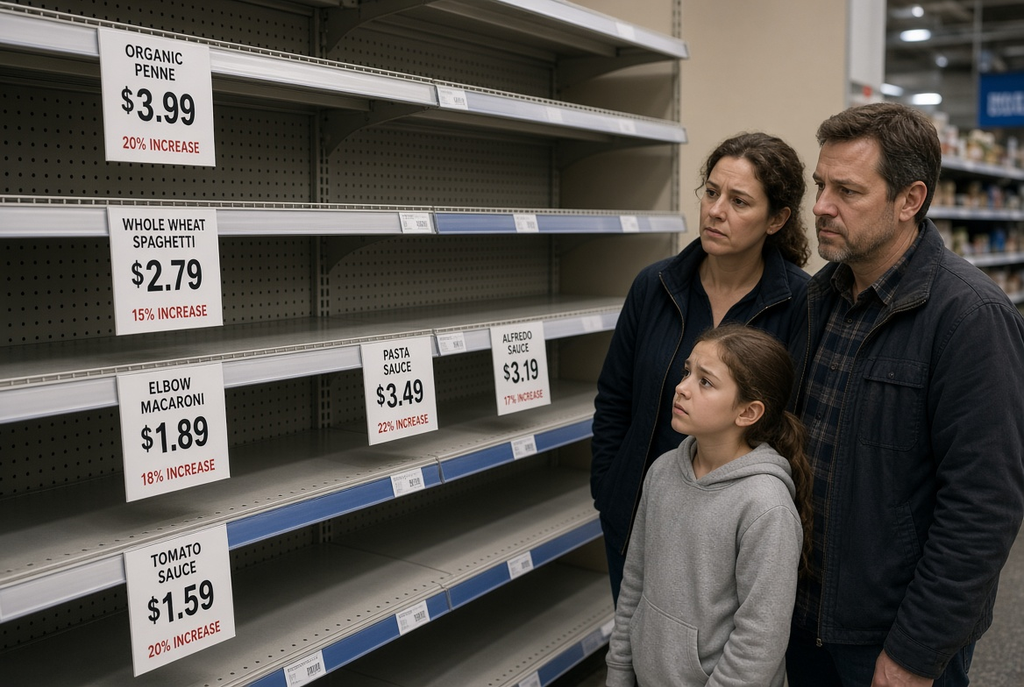
Debt-to-GDP actually edged down slightly as nominal GDP recovered, but the absolute burden and the interest share of the budget grew. Bipartisan COVID spending contributed under both parties; the distinctive Democratic contribution was sustained high spending and regulatory choices that prolonged inflationary pressure. The result is higher future taxes or spending cuts, crowding out for defense and infrastructure, and reduced fiscal space for genuine emergencies.
DEI, CRT, and Readiness in the Military and Schools
Pentagon DEI spending rose into the nine figures. Service academies incorporated material on white privilege, systemic racism, intersectionality, and gender ideology; some minors and electives framed American founding documents as tainted. Physical standards were adjusted in ways that Marine studies showed reduced mixed-gender unit performance on combat tasks (slower movement, higher injury rates for women). Recruitment suffered amid the messaging.
Trump-Hegseth orders have since abolished DEI offices, barred race/sex preferences and CRT/gender ideology instruction, and restored merit focus at academies. The prior approach treated the military as a social laboratory rather than a lethal force optimized for unit cohesion and warfighting. Similar ideological capture in K-12 (DEI, contested gender policies, declining NAEP scores) further erodes the human capital base.
Mechanisms and Context
Progressive policies reliably reduce the system’s footprint: fewer charges, more diversions, lower conviction rates for low-level and some mid-level offenses, smaller jail populations, and (in some studies) narrower racial disparities in certain outcomes. For property and retail crime, reduced certainty of consequences can lower deterrence—consistent with the Petersen relative increase and visible disorder (smash-and-grab, open-air markets) in several progressive cities during 2020–2022.
Violent crime, especially homicide, is more weakly linked. The 2020–2021 national spike occurred across prosecutor types and was driven by COVID disruptions, firearm availability, de-policing after Floyd protests, and concentrated urban factors. Recent broad declines (2023–2026) have also been national, appearing in both progressive and traditional jurisdictions as policing activity rebounded and other conditions improved.
Political effects are clearer: several progressive prosecutors faced recalls, legislative pushback, or electoral losses amid public concern over disorder. Funding from national progressive donors accelerated the movement but also made it a partisan flashpoint.
Conclusion: Policy Choices Have Consequences
None of this requires conspiracy. It follows from prioritizing open entry over enforcement, narrative over data on crime and policing, rapid decarbonization over reliable baseload and domestic supply chains, expansive spending over restraint, and equity-of-outcome over merit. The data—CBP encounters, CDC overdose and homicide figures, EIA production and prices, Treasury debt series, and military readiness metrics—show the costs. Recent reversals under different policy demonstrate that American capacity is not permanently diminished; it was constrained by choices that can be reversed.
America’s relative power depends on secure borders, safe streets, affordable energy, sound money, and a military focused on the mission. Policies that undermine those foundations do not make the country stronger. They make it more vulnerable, more divided, and more expensive to live in. The record of 2021–2025 is the clearest recent demonstration.