
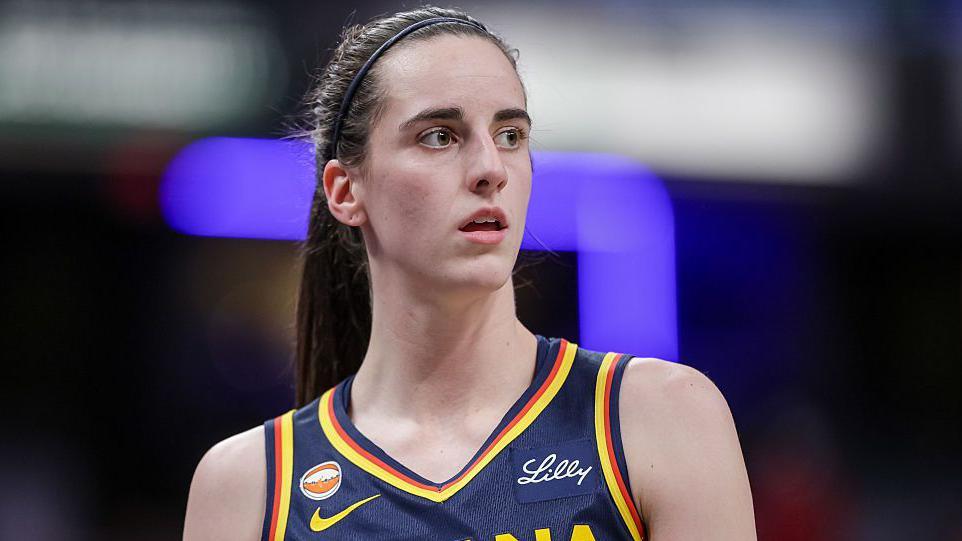
The WNBA loves to pat itself on the back for “inclusion,” “diversity,” and “breaking barriers.” But peel back the rainbow flags and corporate pride nights, and a uglier picture emerges: a league where a significant chunk of the players are openly lesbian, the culture is aggressively queer-coded, the roster is overwhelmingly Black, and the biggest star — a straight white woman from Iowa named Caitlin Clark — has been met with physical targeting, subtle (and not-so-subtle) hostility, and a wave of jealousy that looks an awful lot like identity-based hatred.
This isn’t just “competitive sports.” This is what happens when a cultural outsider crashes the party.
The Numbers Don’t Lie — And They’re Uncomfortable
Let’s start with facts the league and its media allies prefer to downplay or spin as “empowering.”
- The WNBA is roughly 64-70% Black. White players are a small minority.
- On sexual orientation: Multiple trackers and reports put openly lesbian/gay/queer players at 25-38% of the league in recent years. One prominent 2026 count listed 52 openly gay players out of about 210 roster spots. That’s dramatically higher than the general female population. Older player comments (like former player Candice Wiggins in 2017) claimed the number was even higher — near 98% in some circles — describing a “conformist” environment hostile to straight women.
- The league doesn’t just tolerate LGBTQ+ identity; it celebrates it loudly. Pride events, rainbow uniforms, public relationships between players, and a media narrative that frames the WNBA as a queer haven are standard.
Now drop Caitlin Clark into that environment: young, white, straight, Christian-background, record-smashing college phenom from the heartland. She didn’t just break scoring records — she broke the league’s attendance, TV ratings, and sponsorship models overnight. Nike deals, massive crowds, “Clark Effect” money flowing in.
To some in the league and its core fanbase, she looks like an invader.
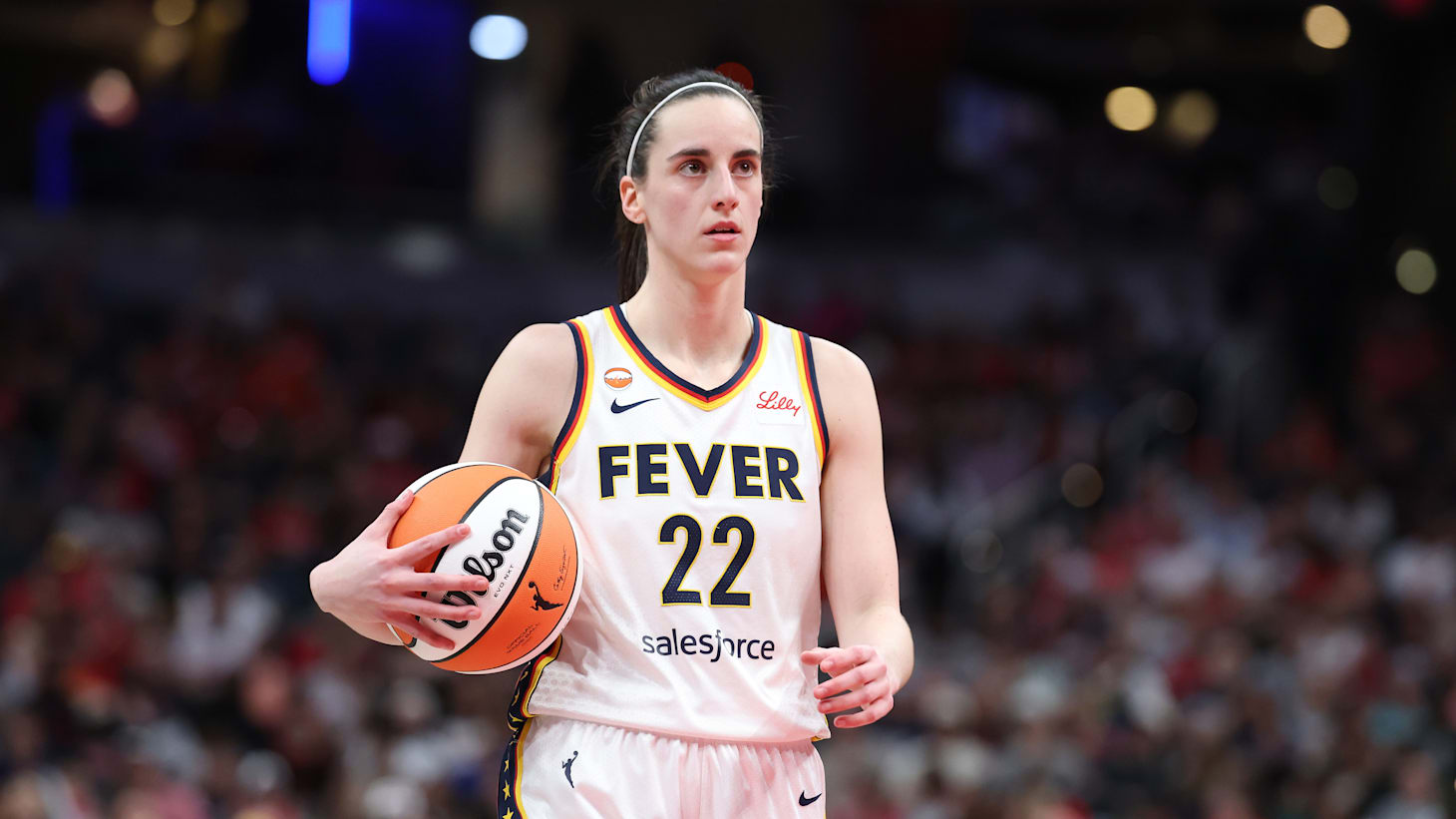
WNBA star Caitlin Clark goes off injured in third quarter as Indiana Fever fall to Phoenix Mercury
The On-Court “Welcome” — Physical Targeting and Double Standards
Clark’s rookie (and subsequent) seasons have featured a pattern of hard, often uncalled or lightly penalized physicality that goes beyond normal basketball aggression.
- Flagrant fouls, shoves to the neck and back, cheap shots, and “welcome to the league” treatment from veterans.
- High-profile incidents involving players like Chennedy Carter (infamous hard foul) and others have fueled accusations that Clark is being “hazed” or targeted because of who she is.
- Her rivalry with Angel Reese (Black, outspoken, Chicago Sky star) has become a lightning rod. What started as college trash talk (“you can’t see me” gestures) exploded into racialized fan warfare online — and some on-court tension that feels personal.
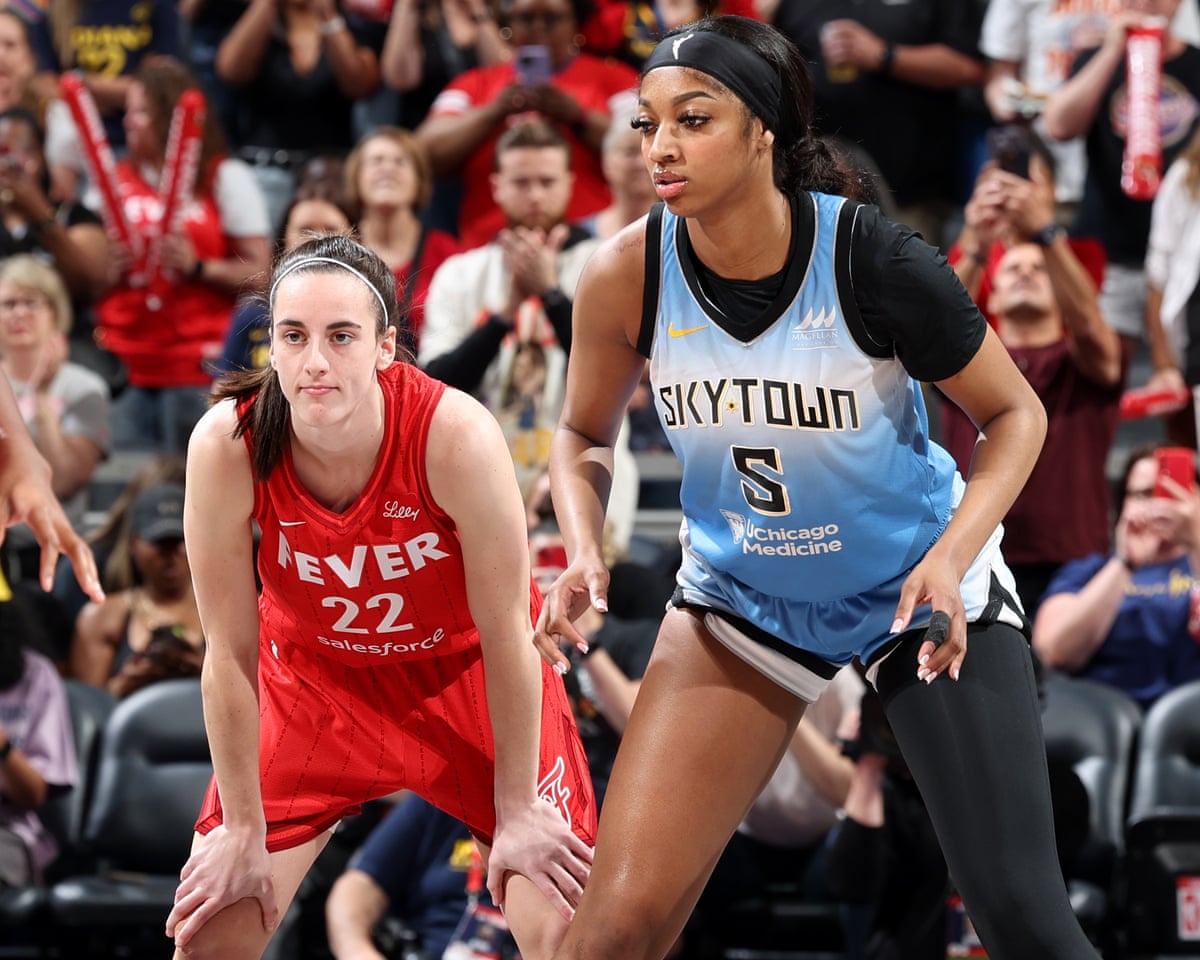
The Caitlin Clark-Angel Reese rivalry is becoming a mirror for American bigotry | WNBA | The Guardian
Clark has handled it with remarkable poise, often calling out hate from all sides and saying there’s “no place” for racism or bigotry. The league has investigated “hateful fan comments” (frequently directed at Reese). But the pattern of physical roughness against Clark, combined with some players’ body language and social media subtweets, tells its own story.
Many observers — especially outside the mainstream sports media bubble — see it clearly: a league full of Black and lesbian players, steeped in identity politics, struggling to accept that the face of their sudden mainstream success is a straight white woman who doesn’t fit the established narrative.

Angel Reese was right. The Sky are the WNBA’s most mismanaged team | SB Nation
Jealousy, Identity, and the “Mean Girls” Culture
Some conservative and independent voices have been blunt: the resentment isn’t just about basketball skill or “paying dues.” It’s about a straight white star drawing attention, endorsements, and crowds that veterans (many Black and/or lesbian) feel should belong to “their” league.
The narrative from certain corners frames Clark as the “white savior” or privileged outsider benefiting from a system that previously gave Black players less mainstream love. Meanwhile, Clark has repeatedly tried to uplift her Black teammates and predecessors. That doesn’t seem to matter to everyone.
The result? A toxic mix:
- Physical “statements” on the court.
- Media and fan racialization of every Clark-Reese interaction.
- A league culture where identity (race + sexuality) sometimes seems to matter more than pure competition or mutual respect.
Not Every Player Hates Her — But the Pattern Exists
To be fair (and truthful): Not every WNBA player is out to get Clark. Many respect her game. The league as a whole has benefited enormously from her arrival — higher ratings, bigger paydays, more visibility. Clark herself has class and has tried to stay above the fray.
But the pattern of rough treatment, the demographic and cultural mismatch, and the way some players and media figures have leaned into racial/identity framing cannot be ignored. When a league is disproportionately one race and one sexual orientation culture, and the biggest new star is the exact opposite on both counts, friction is inevitable. Pretending otherwise is gaslighting.

The Bottom Line
The WNBA isn’t “full of lesbians” in the cartoonish 100% sense some exaggerate — but it does have a dramatically outsized lesbian presence and culture compared to the general population, and that shapes the league’s identity. It isn’t a monolith of “pure hatred” toward Caitlin Clark — but there is clear resentment, physical targeting, and identity-based pushback against the straight white superstar who refuses to play the victim or fit the mold.
Clark didn’t create this tension. Her success exposed it.
The league can keep waving pride flags and condemning “hate” (usually fan hate aimed one direction) while ignoring the mean-girl, identity-clique reality on the court and in the locker room. Or it can grow up, enforce consistent rules, and let basketball be basketball instead of a proxy war for race and sexuality grievances.
Caitlin Clark is the best thing that ever happened to the WNBA commercially. The way some inside the league have responded says far more about them than it does about her.
The controversy isn’t going away. The numbers, the footage, and the cultural mismatch make sure of that.