
For more than a decade, “toxic masculinity” has been treated as settled science in universities, HR departments, and a lot of media. The phrase is supposed to target a narrow set of bad behaviors—violence, entitlement, emotional shutdown that harms others. In practice it has become a smear against ordinary male traits: strength, stoicism, competitiveness, risk-taking, the drive to protect and provide, and the expectation that a man should be competent under pressure.
Those traits are not bugs. They are features that built the physical world we live in and still keep it running. Calling them toxic does not make boys safer or men better. It just leaves a lot of them confused, checked out, or angry.
The Phrase Does Real Work—and Not the Kind Advertised
No serious person defends wife-beating, rape, or reckless aggression. Those are vices, not “masculinity.” The problem with the popular version of “toxic masculinity” is that it rarely stays confined to actual vice. It slides into criticizing the very things that make men useful in a dangerous, incomplete world: the willingness to take physical risk, to compete hard, to stay composed when others panic, and to put family and group ahead of personal comfort.
The result is a cultural double standard. We still expect men to fill the jobs that kill people, to show up when something heavy needs lifting or something burning needs entering, and to absorb most of the violent crime statistics as both perpetrators and victims. Then we lecture them that the traits that make those roles possible are the problem.
Who Actually Builds and Dies for the Rest of Us
Look at the numbers instead of the slogans.
In 2024 the United States recorded 5,070 workplace fatalities. Men accounted for 4,657 of them—roughly 92 percent. Women accounted for 413. Over a 25-year span the male occupational fatality rate has been more than nine times the female rate. Construction, logging, fishing, trucking, mining, and roofing remain overwhelmingly male and overwhelmingly dangerous. These are not lifestyle choices sold on Instagram. They are the jobs that keep electricity on, food moving, and buildings standing.
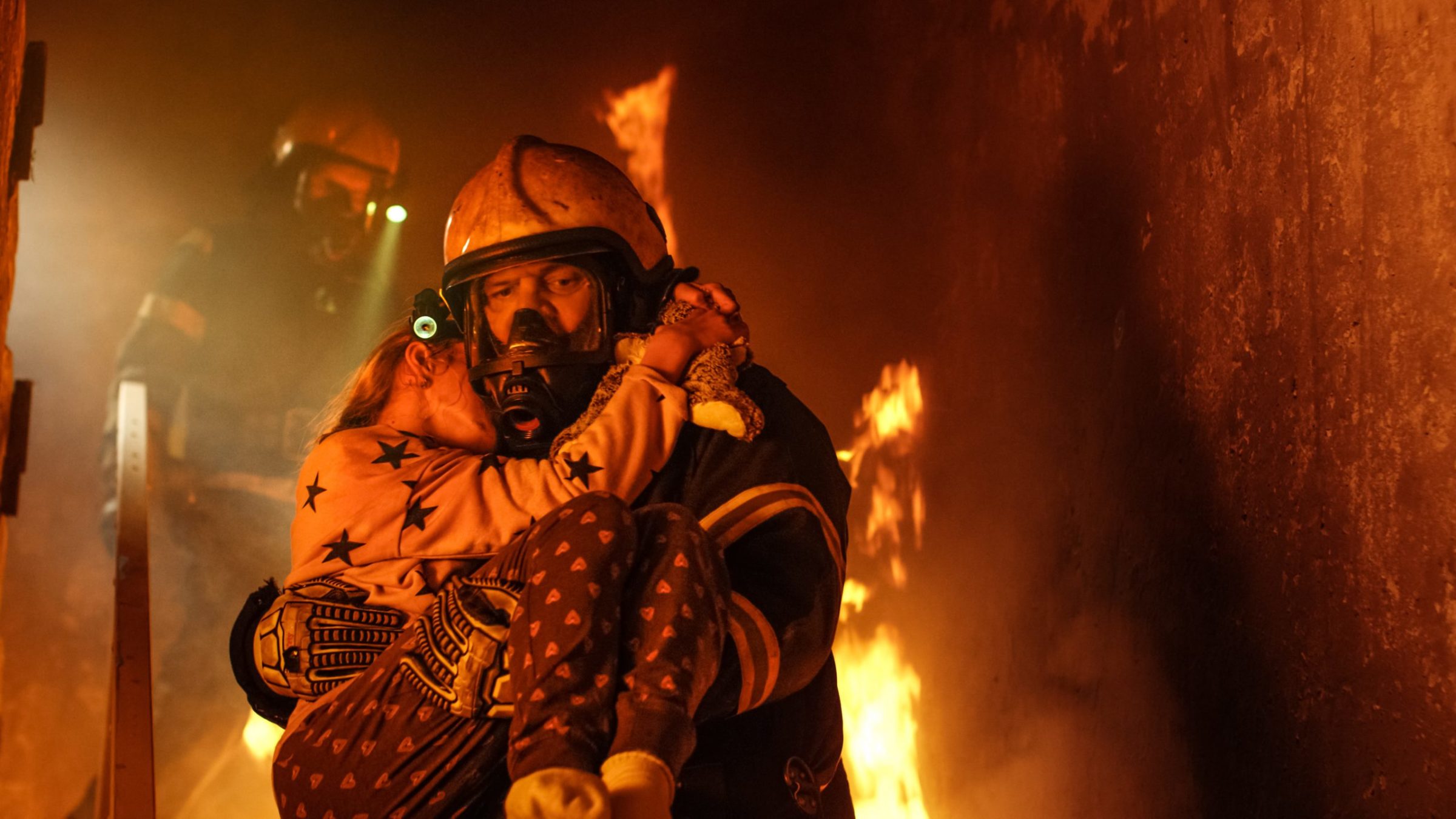
The same pattern holds in emergency services and the military. When a child is carried out of a burning building or a bridge needs to be held against collapse, the people doing it are still overwhelmingly men. That is not oppression. It is division of labor plus biology plus culture. Pretending otherwise does not make the work safer; it just makes us less honest about who is doing it.
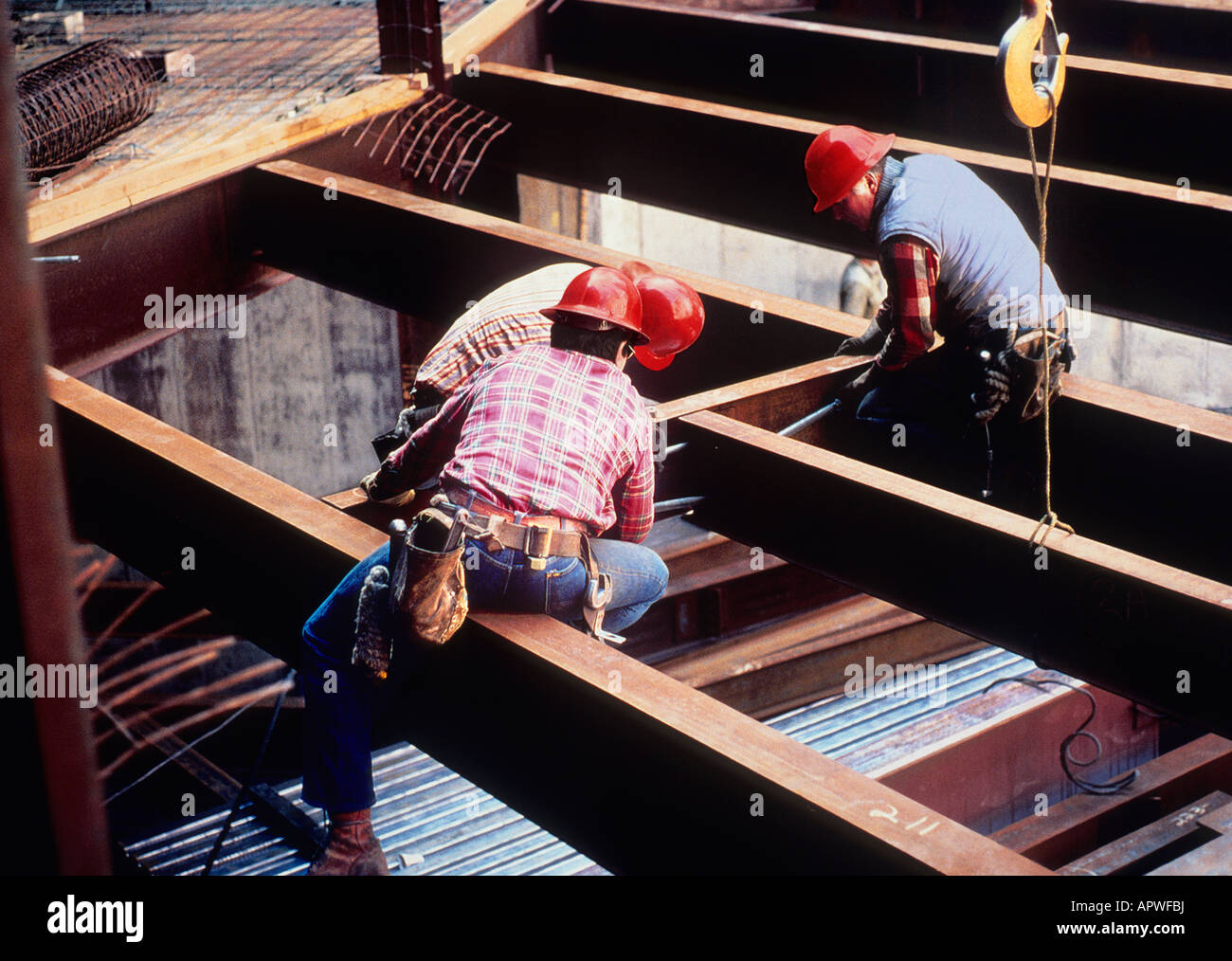
The famous 1932 photograph of ironworkers eating lunch on a steel beam high above New York is not a relic of “toxic” culture. It is a snapshot of men taking calculated risk to raise a skyline. Those beams did not hang themselves.

Who were the men behind New York’s iconic Lunch atop a Skyscraper?
Modern versions look similar—men on steel, in hard hats, doing work most people would rather not think about.
The Quiet Crisis We Keep Ignoring
While institutions lecture boys about their “privilege,” the data on young men has gotten worse.
Male suicide remains roughly four times the female rate. In 2023 that meant about 39,000 men versus 10,000 women. Working-class men without college degrees have seen especially sharp increases. Labor-force participation among prime-age men has drifted down for decades; among younger men the drop is steeper. College enrollment and completion have flipped: women now outpace men by a wide margin. These are not signs of a group riding high on unearned power.
A culture that tells boys their natural competitiveness or stoicism is suspect does not produce more emotionally available husbands. It produces more isolated, under-employed, and despairing ones. Father absence, declining marriage, and the loss of stable male-dominated work all correlate with worse outcomes for children and neighborhoods. Healthy masculinity—being a reliable provider, a present father, a man others can count on—is protective, not poisonous.
What Healthy Masculinity Actually Looks Like
Healthy masculinity is not “never cry” or “dominate women.” It is the cultivated version of male strengths: physical and mental toughness in service of others, competence that can be relied upon, courage that includes moral courage, and the self-control to channel aggression into protection rather than predation.
A father teaching his son to fish, to use tools, or to finish a hard job is not performing toxicity. He is transmitting skills and standards. Multi-generational male groups doing hard outdoor work used to be normal. They still work.

The same pattern shows up in workshops and trades. Older men passing knowledge to younger ones is how civilizations persist.

Firefighters running toward the fire instead of away from it is the same impulse at higher stakes.
3 Heroic Firefighting Stories for International Firefighters’ Day
None of this requires contempt for women. Complementary strengths are a feature of the species. Women excel in many domains that men do not; men have historically specialized in high-risk, high-variance tasks. Societies that pretend those averages do not exist usually end up rediscovering them the hard way.
Cultural Norms Worth Defending
Some older norms were crude. Many were simply realistic. Expecting men to protect their families, to work when they would rather not, to control their tempers in public, and to treat weakness in themselves as something to overcome rather than celebrate produced more functional communities than the current mix of therapy-speak and online grievance.
Honor cultures have costs, but they also constrain behavior through reputation. When shame disappears and every failing is recast as “the system,” standards collapse. Boys need models of men who are strong and decent, not lectures that strength itself is the original sin.
The alternative on offer is often a flattened, therapeutic masculinity that treats risk, hierarchy, and stoicism as pathologies. That version does not produce better husbands or fathers. It produces men who are easier to manage and less useful when things get hard.
A Straightforward Correction
Stop pathologizing half the population for existing. Distinguish vice from virtue. Celebrate the men who still do the dangerous, unglamorous work. Give boys permission to be competitive, physically capable, and emotionally reserved without being told they are broken. Restore the expectation that a man should be able to provide, protect, and persist.
Masculinity is not a toxin. It is one of the main reasons we have cities, roads, power grids, and the relative safety most people take for granted. Treating it as the enemy is a luxury belief that only works while someone else is still willing to be the man in the room when it counts.
The world does not need fewer masculine men. It needs more of the competent, responsible kind.