
Every time the media or politicians talk about the “national average” cost of living, they quietly include the most expensive places in the country—almost all of them solidly Democrat-run blue states. California, New York, Massachusetts, Hawaii, New Jersey, Washington, Oregon, and the rest of the high-tax, high-regulation coastal and urban strongholds pull the entire U.S. average skyward.
Take those states out of the data and a very different America appears: one where housing, energy, groceries, and everyday expenses are dramatically more affordable. That is not opinion. It is the clear result of official Bureau of Economic Analysis Regional Price Parities, MERIC cost-of-living indexes, and multiple independent studies.

The Data Speaks Louder Than the Narratives
The BEA sets the national average at 100. In the latest figures:
- California sits at 110.7
- Hawaii at 110.0
- New Jersey at 108.8
- New York at 107.9
- Washington at 107.0
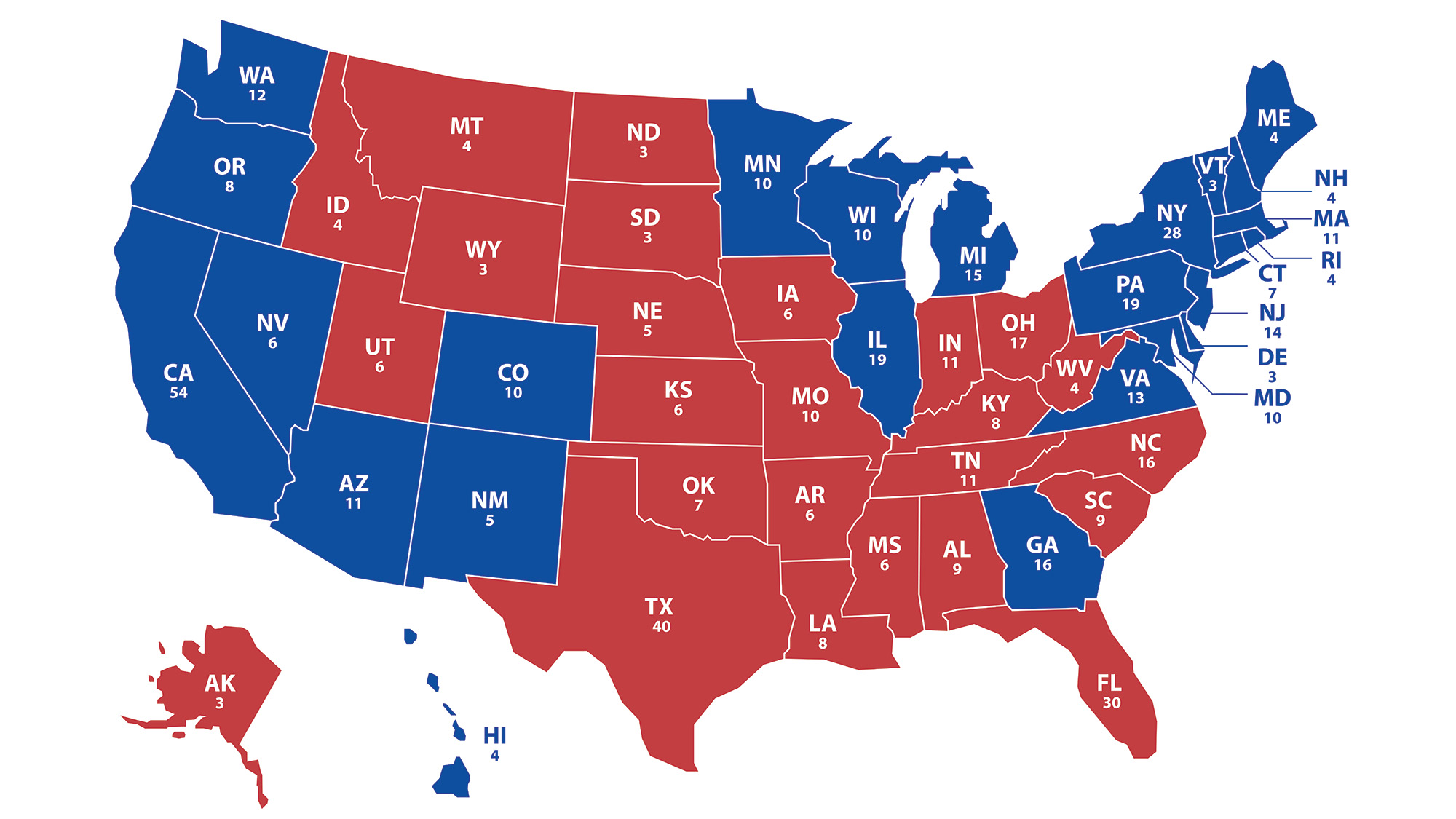
Meanwhile the lowest-cost states—Mississippi (87.0), Arkansas (86.9), Oklahoma and Iowa (87.8), West Virginia, Kansas, and most of the South and Midwest—cluster well below 95. These are overwhelmingly red states.
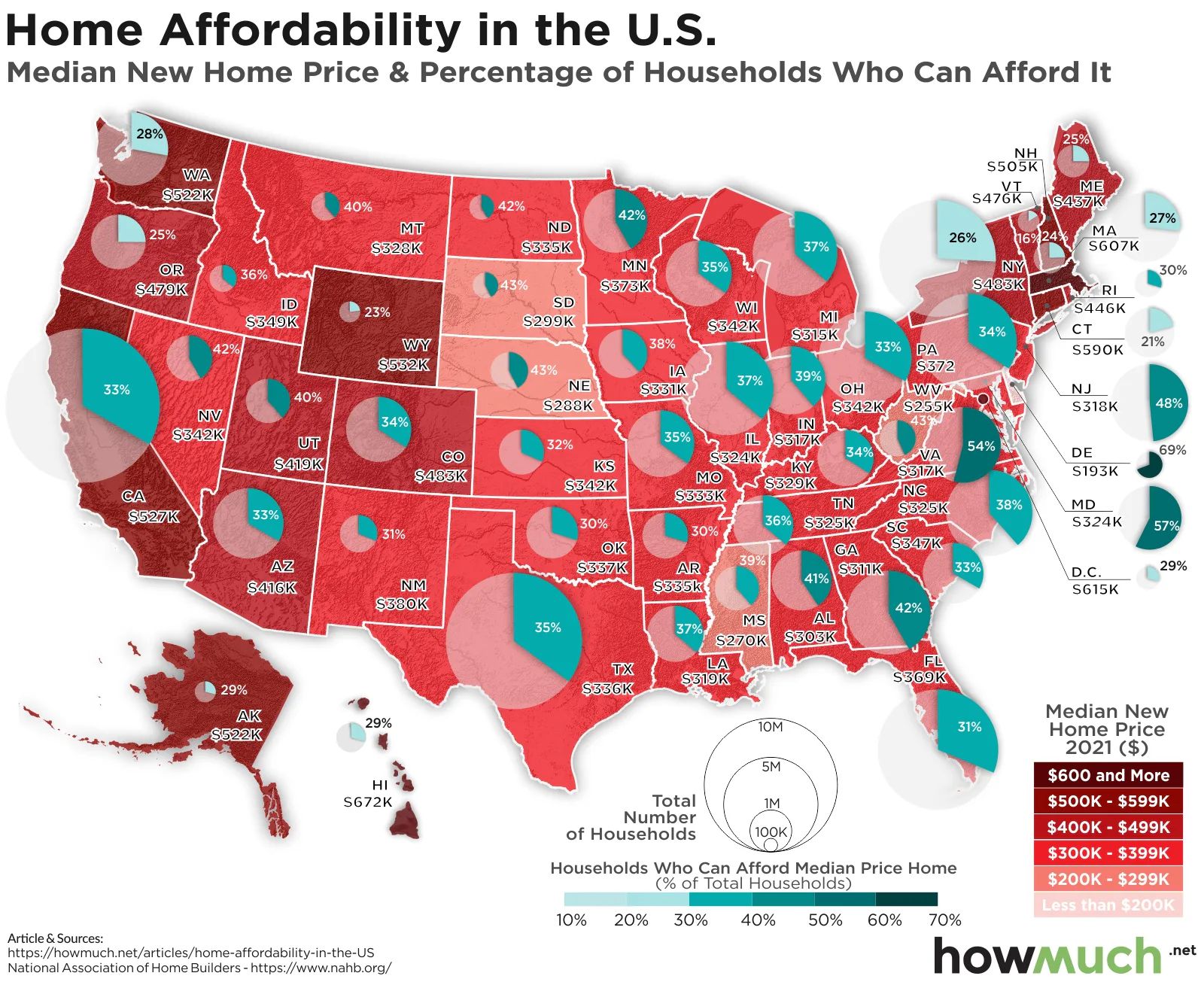
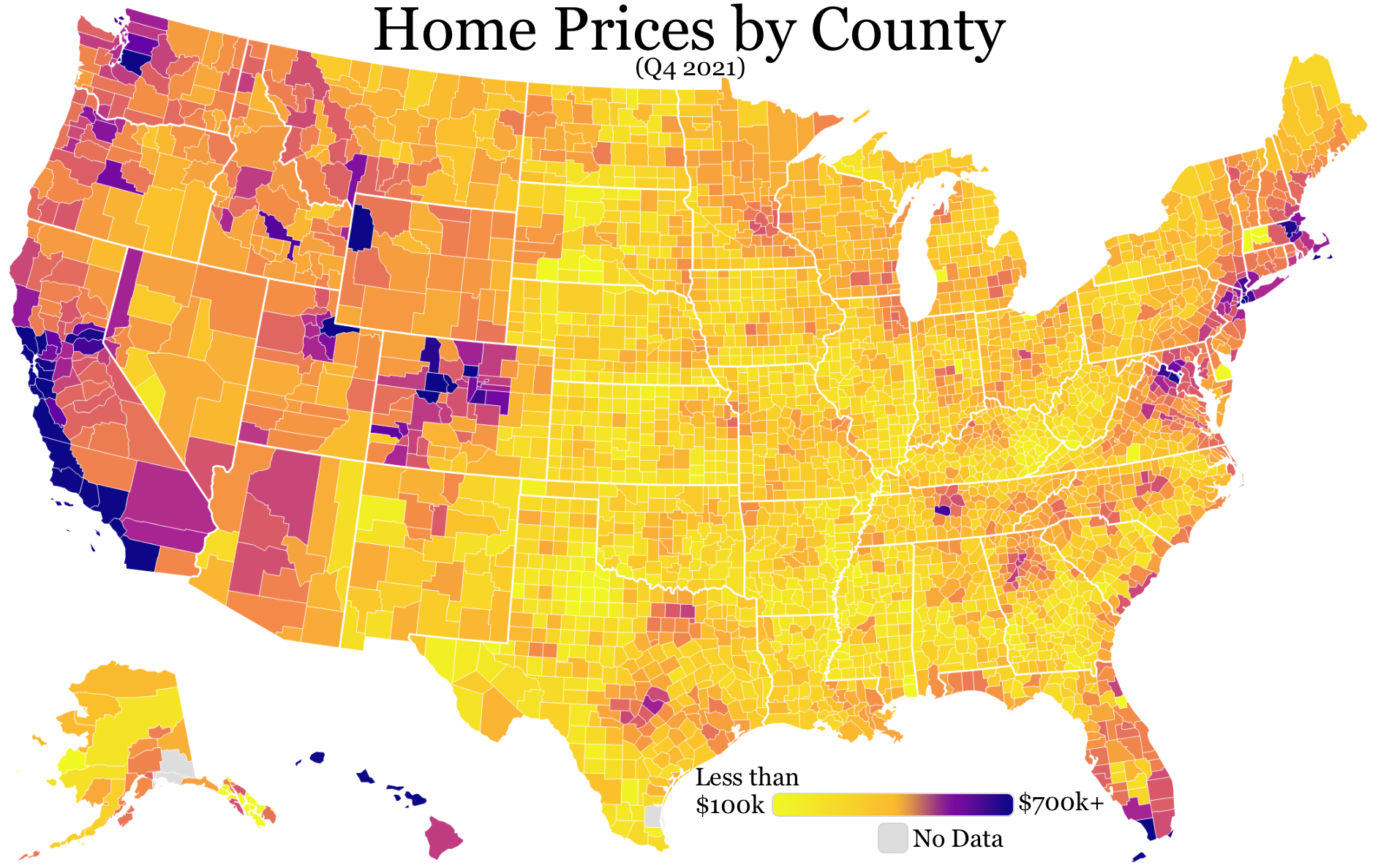
A Berkeley Economy & Society Initiative analysis put hard numbers on the partisan gap: the average blue state was 13% more expensive overall than the average red state. Housing was a staggering 52% more expensive in blue states. Utilities ran 45% higher. Goods and services showed only modest differences. Housing alone makes up roughly one-third of a typical family’s budget, so that single category drives most of the gap.
When you exclude the big blue population centers (California alone has nearly 40 million people), the remaining national average falls sharply into the mid-to-low 90s. In other words, the America most people actually live in is far more affordable than the “national average” headlines claim.

Why Blue States Cost So Much More
This is not an accident of geography or weather. It is the predictable result of decades of progressive policy choices:
- Housing strangulation: Blue states impose the strictest zoning, endless environmental reviews, rent control, and “not in my backyard” rules. The result is chronic housing shortages (averaging 19% of existing stock in blue states versus just 6% in red states). When supply is artificially limited, prices explode.
- Energy mandates: Aggressive renewable-energy targets, carbon taxes, and the forced shutdown of reliable power sources have driven electricity and utility bills far higher in blue states. Red states that keep a balanced energy mix—including natural gas, coal, and nuclear—keep prices lower.
- Tax and regulatory burden: Higher income taxes, property taxes, and layers of business regulation raise the cost of everything. Those costs are passed straight to consumers and renters.
- Urban density plus policy failure: Coastal blue metros generate high wages, which increases demand. But instead of letting the market respond with more housing and energy, progressive governments restrict supply. The predictable outcome is sky-high prices that hit working and middle-class families hardest.
Red states, by contrast, generally favor lower taxes, fewer regulatory barriers, and more flexible energy policies. The results show up in the cost-of-living numbers year after year.
People Are Already Voting With Their Feet
Millions of Americans have noticed. The largest domestic migration flows of the past decade have been out of high-cost blue states into lower-cost red and purple ones—Texas, Florida, Tennessee, the Carolinas, and the Mountain West. Families, businesses, and retirees are choosing places where their dollars stretch further and where government does not treat housing and energy as ideological experiments.
This is the free-market test in action. When progressive governance makes daily life unaffordable, people leave. When more conservative, growth-oriented policies keep costs under control, people arrive.
The Bottom Line for Everyday Americans
The next time you hear a national “average” cost-of-living figure used to justify more federal spending, higher taxes, or new regulations, remember what that average actually contains. It is inflated by the very states whose policies have produced the highest prices in the nation.
Remove the Democrat blue-state premium and the real cost of living for most of America drops—often dramatically. Housing becomes attainable again. Energy bills shrink. The middle class keeps more of what it earns. That is not a partisan talking point. It is what the official data shows when you stop letting the highest-cost jurisdictions define the national story.
America works better when government gets out of the way of housing supply, energy production, and economic opportunity. The cost-of-living maps make that case more clearly than any speech ever could.