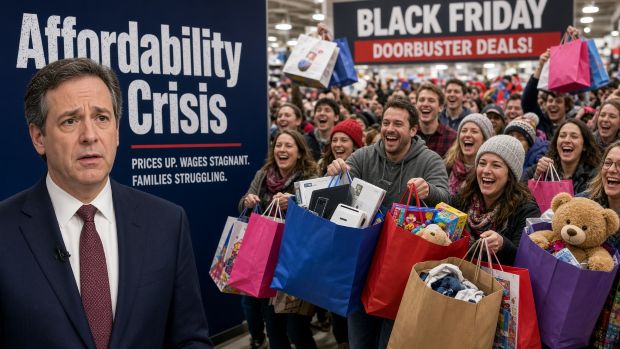
While legacy media and politicians keep hammering the “affordability crisis” narrative, American shoppers just spent a record amount of money on Black Friday 2026. The numbers, detailed in a Newsmax report drawing from AP and other data (newsmax.com/newsfront/black-friday-shoppers/2026/11/28/id/1277791), make the constant hand-wringing look absurd.
U.S. consumers poured $13.1 billion into online sales alone on Black Friday—an 11% jump from last year that beat Adobe Analytics’ own forecast. Overall retail sales (excluding gas and autos) rose 5.8% year-over-year according to Mastercard SpendingPulse. In-store spending climbed 3.8%, the strongest since 2022, even as foot traffic dipped slightly. Globally, online sales hit a record $82.7 billion. Electronics, gaming, toys, and even everyday essentials flew off the (virtual and physical) shelves.
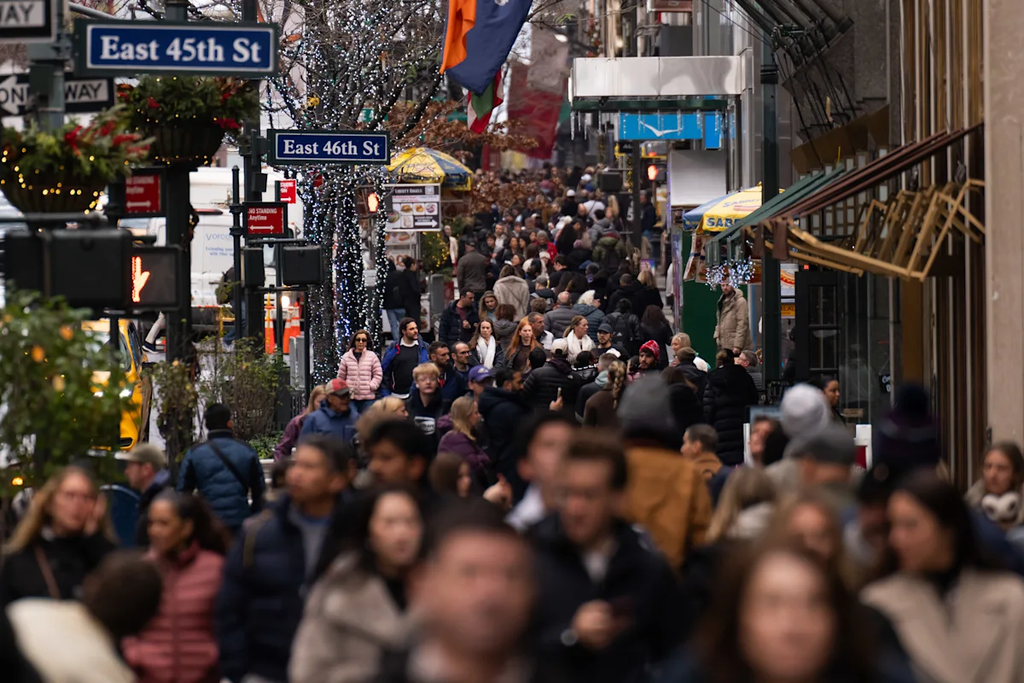
Crowds thronged Fifth Avenue in New York and malls across the country, hunting deals despite storms that flooded parts of the East Coast, delayed the Macy’s parade, and elevated gas prices tied to the U.S.-Iran conflict. Shoppers still showed up—some lining up early for gift cards and doorbusters, others using AI tools to comparison-shop from home.
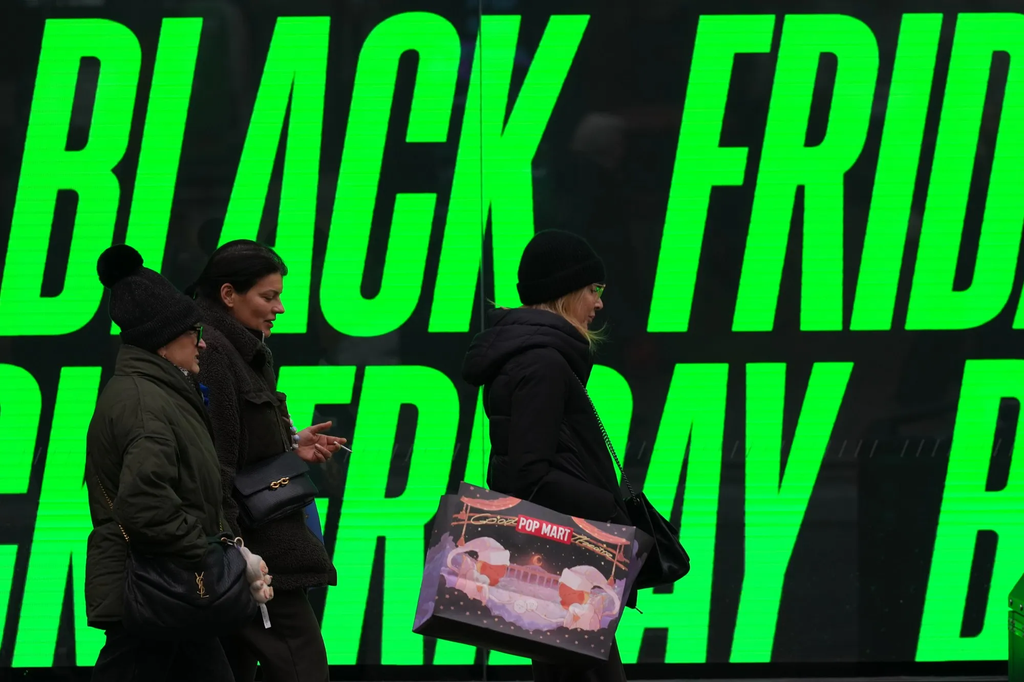
This is the same economy where inflation sits around 3.6–3.8%, grocery and gas prices sting, and Democratic candidates just rode “Fighting for an Affordable America” messaging to midterm gains. Politicians and cable news treat every price bump as proof of systemic failure requiring more government intervention. Meanwhile, real people voted with their wallets: they bought PlayStations, TVs, clothes, Lego sets, and stocked up on household goods when the discounts hit.
The contradiction is glaring. Media stories frame Black Friday as “shoppers grappling with tight budgets” and “inflation-weary consumers struggling for bargains,” yet the aggregate data shows record online spending, solid in-store gains, and a National Retail Federation holiday forecast topping $1 trillion (with roughly half the growth from higher prices, but the rest from volume). People are selective—they chase real deals on electronics and software while stretching budgets on essentials—but they are not paralyzed.
Available footage captures the reality better than the talking points. Watch shoppers packing outlets and malls: KTLA on Citadel Outlets lines, ABC7 New York on American Dream crowds, and NBC coverage of the retail rush. ABC News also aired live reports from packed California malls. These aren’t empty parking lots or deserted stores; they’re Americans doing what they do—hunting value and spending when it makes sense.
The “affordability crisis” has become a political slogan detached from observable behavior. Persistent higher prices from prior policy choices and current geopolitical factors are real. So is consumer resilience and the willingness to spend billions when retailers offer discounts. The gap between the narrative pushed by legacy media and politicians and the actual spending data is the real story—and it’s a joke that writes itself.