
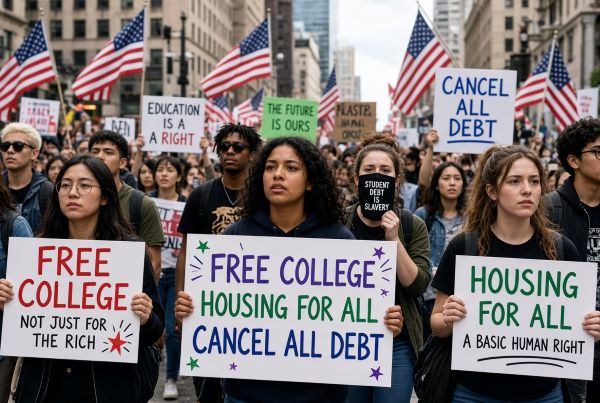
Younger Americans (especially Gen Z and younger Millennials) have spent years voting for progressive Democrats who expand government, tighten regulations, and push demand-side subsidies. Then they act shocked when housing and groceries stay expensive. The conservative case is simple: stop subsidizing a demographic that consistently votes against supply, growth, and fiscal restraint. Let market prices do the teaching until the voting patterns change.
Pew data has long shown the age gap. Voters 18-24 lean Democratic by roughly two-to-one. Even after 2024’s rightward shift among young men, the overall youth cohort still tilts left. By 2025, 18–29-year-olds were roughly 49% Democrat/lean Democrat versus 43% Republican/lean Republican—close, but the historical pattern and 2026 midterm results (youth backing Democrats by large margins, often 30+ points in exit polls) show the progressive preference remains strong.
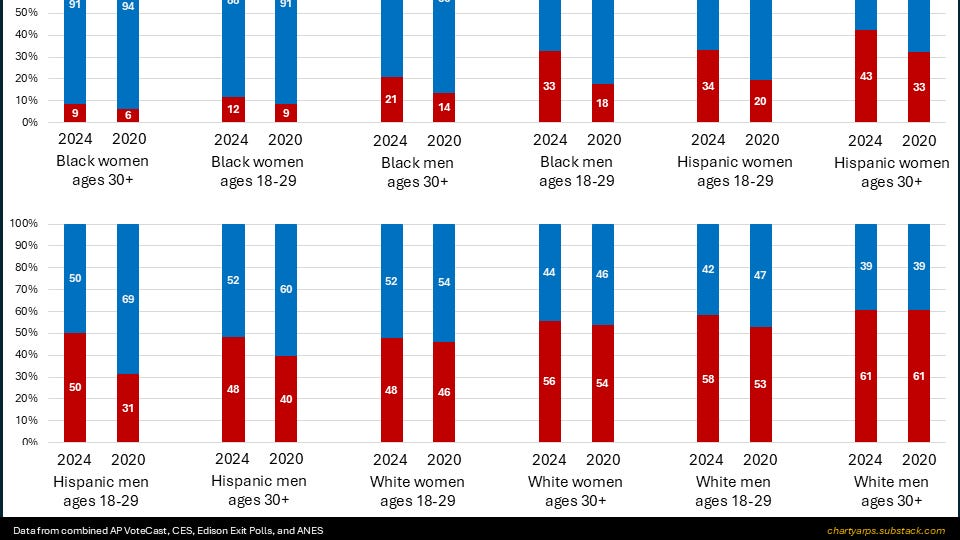
They prioritize issues like student debt relief, climate rules, and expanded benefits while supporting local and national policies that restrict housing supply (zoning, environmental reviews, NIMBY opposition in progressive cities). Median home prices remain elevated—often cited in the high $300k to low $400k range depending on the series, with large cumulative gains since 2020 and mortgage rates that keep payments high. First-time buyers feel it hardest. Demand subsidies without more building simply bid prices up further.
Groceries follow a similar story. Food prices rose sharply after pandemic stimulus and supply shocks and have stayed elevated. Progressive priorities on regulation, energy constraints, and fiscal expansion contribute to cost pressures alongside other factors. Young voters list cost of living and housing as top issues, yet keep returning to the party associated with more spending and rules rather than the one emphasizing energy production, deregulation, and supply.
Incentives matter. If a large, growing group of voters reliably supports the side that favors redistribution and regulation over abundance, it is not the job of older taxpayers or limited-government advocates to shield them from the results. High prices for housing and groceries are feedback. They signal restricted supply, past inflationary policy, and local barriers. Preferential transfers, debt cancellation, or rent controls for the same voters who reject the fixes do not solve the underlying problem—they paper over it and encourage more of the same voting.
This is not a claim that every young person is ungrateful or that both parties are blameless. Housing shortages involve local rules across the spectrum, and economic pain can move some votes (as seen in temporary 2024 shifts among young men). But the durable age-partisan gap is real. Market prices are not cruelty; they are information. Until younger cohorts vote in larger numbers for policies that expand housing construction, energy production, and fiscal restraint, they should experience the full cost of the alternatives they prefer.
Change the voting patterns, and the political case for targeted relief strengthens. Keep choosing the progressive path, and the prices stay high. That is the burn.
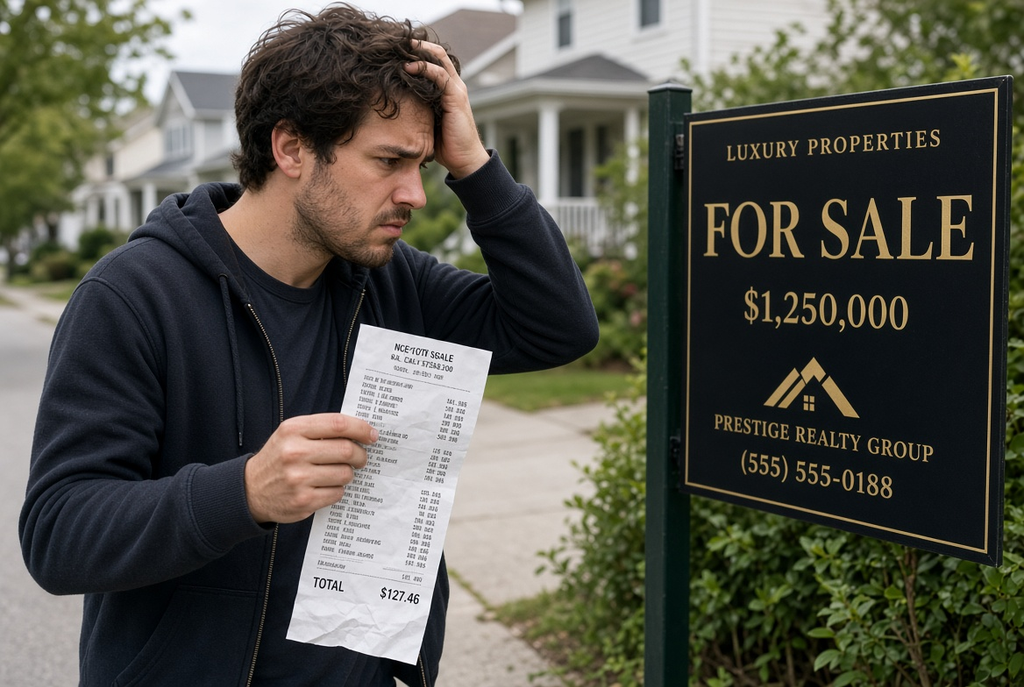
Why Younger Generations Should Pay Full Price Until They Show Some Effort -This is the entitlement pattern: maximum grievance, minimum maximum effort. Student debt is framed as an injustice rather than a choice with trade-offs. Housing is framed as a crisis caused by everyone else rather than a supply problem partly sustained by the voters who oppose density and construction. Gratitude for prior generations’ infrastructure, relative safety, and technological abundance is scarce; the focus stays on what has not been delivered immediately. Voting continues for the progressive option that expands claims on other people’s resources while restricting the supply response that would lower prices.
Market prices are not punishment. They are the result of restricted supply, prior inflation, and political choices. Older cohorts that paid taxes and built the base should not be required to underwrite ongoing preferential treatment for a group that keeps voting against the fixes. High housing and grocery costs are feedback. They reveal the gap between what is demanded and what is produced.
Until younger voters shift toward candidates who prioritize building housing, expanding energy, and restraining spending—and until more of them treat ownership and lower costs as something earned through effort rather than an instant entitlement—the prices should stay unsubsidized. Change the voting and the habits, and the political case for relief changes with it. Keep the current pattern, and the burn continues.