
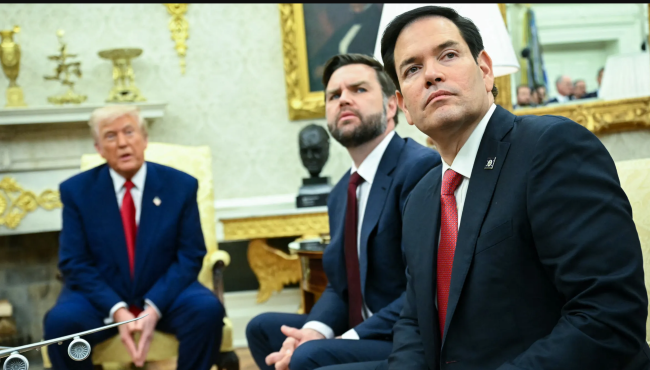
The 2026 midterm elections delivered a historic Democratic sweep: control of both the House and Senate, at least seven Senate flips (including deep-red Texas, Kansas, South Carolina, Ohio, Iowa, Maine, and North Carolina), more than two dozen House seats, multiple governorships, and state legislative gains. Republicans failed to flip a single Democratic-held seat at the federal or key state levels despite aggressive redistricting.
This was not a positive endorsement of Democratic ideas. Exit polling and post-election analysis show it was primarily a punishment of the Republican Party for inaction on voter priorities, the unpopular Iran War, weak candidates, and leadership that failed to protect or advance President Trump’s agenda effectively.
The Iran War Was the Dominant Drag
Vice President JD Vance was blunt the morning after: “The reason we lost is the war. The president himself said so last night.” He noted that many 2024 Trump/Vance voters switched to Democrats, citing ending the war, focusing on the cost of living, putting America First, and changing the U.S. relationship with Israel as the top demands from a pollster who accurately predicted the results.
President Trump himself acknowledged the war (and the oil/gas price spikes from the Strait of Hormuz crisis and related fighting that began in late February 2026) was “a piece of it” or “largely true,” while defending the decision and saying he would do it again. Exit polls found roughly 74% of voters called the Iran War a “crucial” or “major” factor, with a majority viewing military force as the wrong decision. High pump prices from the conflict amplified existing cost-of-living anger over tariffs and inflation.
The war, involving major U.S.-Israeli strikes, Iranian retaliation, a naval blockade, and intermittent fighting that closed or disrupted a major share of global oil transit, contradicted the “no new wars” messaging that helped Trump in 2024. Republican leadership in Congress offered little public pushback or alternative path, leaving the administration exposed.
Inaction and Failure to Deliver
Republicans held the White House and both chambers of Congress for two years. Voters expected tangible progress on kitchen-table issues. Instead, the combination of the war’s economic fallout, tariffs, and limited legislative results on costs produced a sharp rebuke. Hispanic support for Republicans dropped significantly from 2024 levels. Economic anger, not enthusiasm for a Democratic platform, drove the wave in places Trump carried comfortably in 2024 (Texas, Ohio, Iowa, Georgia, etc.).
Congressional leadership (Speaker Mike Johnson, Senate Majority Leader John Thune, and others) largely deferred to the White House. Resources were late or misallocated. Redistricting efforts failed to offset the national environment. House leadership immediately began succession fights rather than a clear reckoning.
Weak Candidates and Leadership Choices
Candidate quality proved decisive and self-inflicted. Trump-backed or preferred nominees collapsed in red territory:
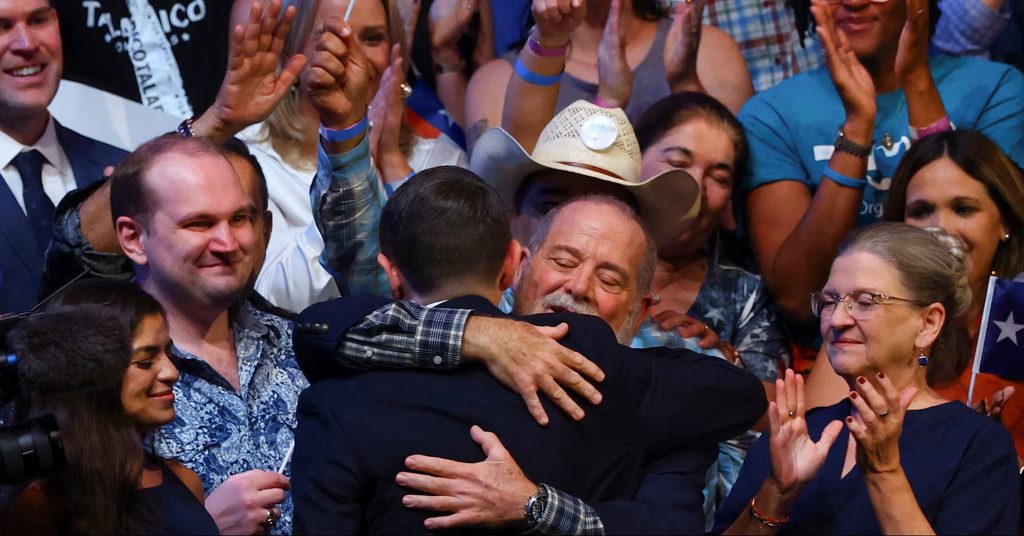
- In Texas, scandal-plagued Attorney General Ken Paxton lost the Senate race to Democrat James Talarico (first Democratic Senate win there since 1988) and Gina Hinojosa became the state’s first Latina governor, defeating Greg Abbott. Outgoing Sen. John Cornyn and others blamed the party for forcing voters to choose “between policy and personal character.”
- In South Carolina, Darline Graham (sister of the late Lindsey Graham, a political novice) lost to Annie Andrews—the first Democratic Senate win this century in the state.
- Similar patterns appeared in Kansas (first Democratic Senate win since 1932), Iowa, Ohio, and elsewhere.
Republican operatives and strategists privately called it one of the worst campaigns in memory, citing “criminal laziness,” late money, and slavish devotion that produced poor nominees. Leadership in the NRSC, NRCC, and Trump’s orbit failed to intervene effectively or recruit stronger candidates. Trump’s own late-cycle rallies and “pretend I’m on the ballot” framing could not overcome the environment he and party leaders helped create. He later noted he was not on the ballot and claimed a personal landslide would have followed—an argument many in his own party rejected.
Not a Mandate
Democrats won by default in many places. Their coalition remains ideologically mixed, and the results reflect anti-Republican sentiment more than affirmative support for a broad progressive agenda. Control of Congress will constrain Trump for the final two years of his term, but the underlying voter concerns (costs, foreign entanglements, competence) persist.
Republican leadership’s failure to course-correct on the war, prioritize domestic results, or field stronger candidates left the president and the party vulnerable. The 2026 results are a warning, not a coronation. For coverage of election night statements and analysis, see C-SPAN’s multi-hour specials and POLITICO’s live stream (Trump called in during the latter). Vance’s X post remains the clearest internal diagnosis from the administration.