
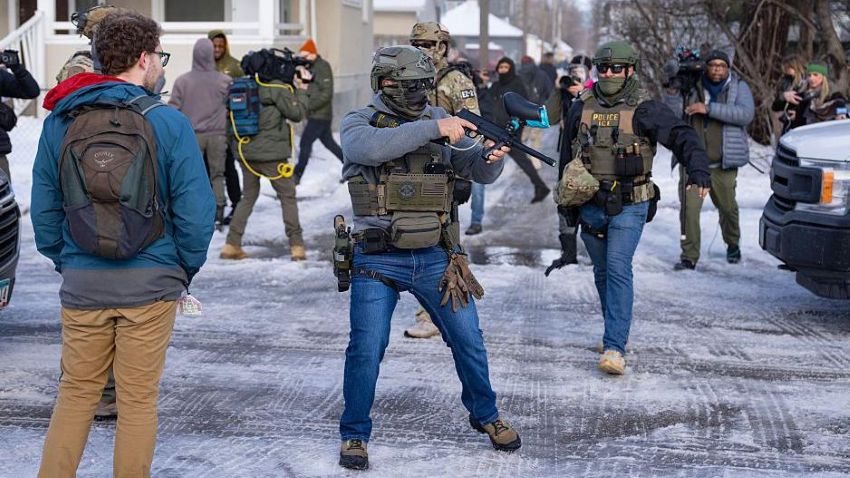
If you’ve been following the news out of Washington and the border states lately, you know Immigration and Customs Enforcement (ICE) has been operating at a different tempo since early 2025. Deportations are up significantly, interior enforcement operations are happening in cities across the country, and—yes—reports of use-of-force incidents have risen sharply.
The usual suspects in media and activist circles are screaming about “excessive force,” “militarization,” and tragic incidents. But let’s cut through the noise with some straight talk: ICE having the authority, training, and institutional backing to use more force when necessary—including deadly force in self-defense or defense of others—is a great thing for the United States.
Here’s why.
The Backdrop: What Happens When Enforcement Is Weak
For years, ICE and Border Patrol agents operated under restrictive policies, political pressure, and sometimes outright hostility from local officials and the previous administration. The results were predictable:
- Record illegal crossings.
- Fentanyl pouring across the border and killing tens of thousands of Americans annually.
- Repeat criminal offenders being released back into communities instead of removed.
- Assaults on federal officers climbing as word spread that resistance often worked.
When agents are told to stand down, use “least restrictive means,” or fear career-ending investigations for every split-second decision, the bad guys notice. Criminals, gang members, cartels, and even ordinary immigration violators learn that physical resistance, vehicle rammings, or fights during arrests carry low risk.
That era is ending. And the increase in reported use-of-force incidents is largely a sign that agents are no longer being ordered to absorb punishment while doing their jobs.
What “More Force” Actually Looks Like
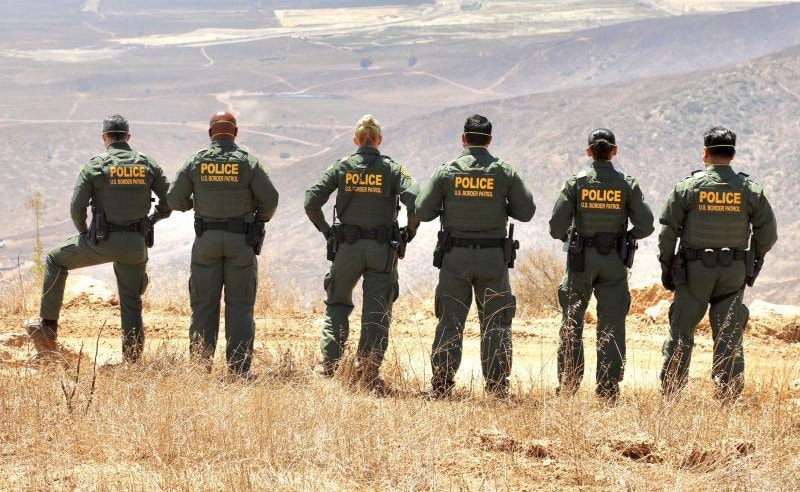
This is not about agents going rogue or enjoying violence. Federal law enforcement follows a well-established use-of-force continuum: verbal commands, soft hands, intermediate weapons, and—only when objectively reasonable—deadly force to stop an imminent threat of death or serious bodily injury.
In the context of ICE operations, threats are real:
- Suspects who fight, flee in vehicles, or reach for weapons.
- Operations targeting individuals with serious criminal histories.
- Resistance that escalates because some activists and sanctuary policies encourage non-compliance.
When an ICE agent fires in self-defense because a vehicle is being used as a weapon, or because someone is actively assaulting officers, that is not “injuring people for fun.” That is an agent surviving a violent encounter so he or she can go home to their family—and so the mission of removing people who have no legal right to be here continues.
Officials have publicly defended several 2026 incidents as justified self-defense, including cases involving vehicles. Tragedies happen in high-risk law enforcement work. The alternative—tying agents’ hands so thoroughly that they become targets—is far worse for everyone, including the rule of law.
Why This Is a Great Thing for America
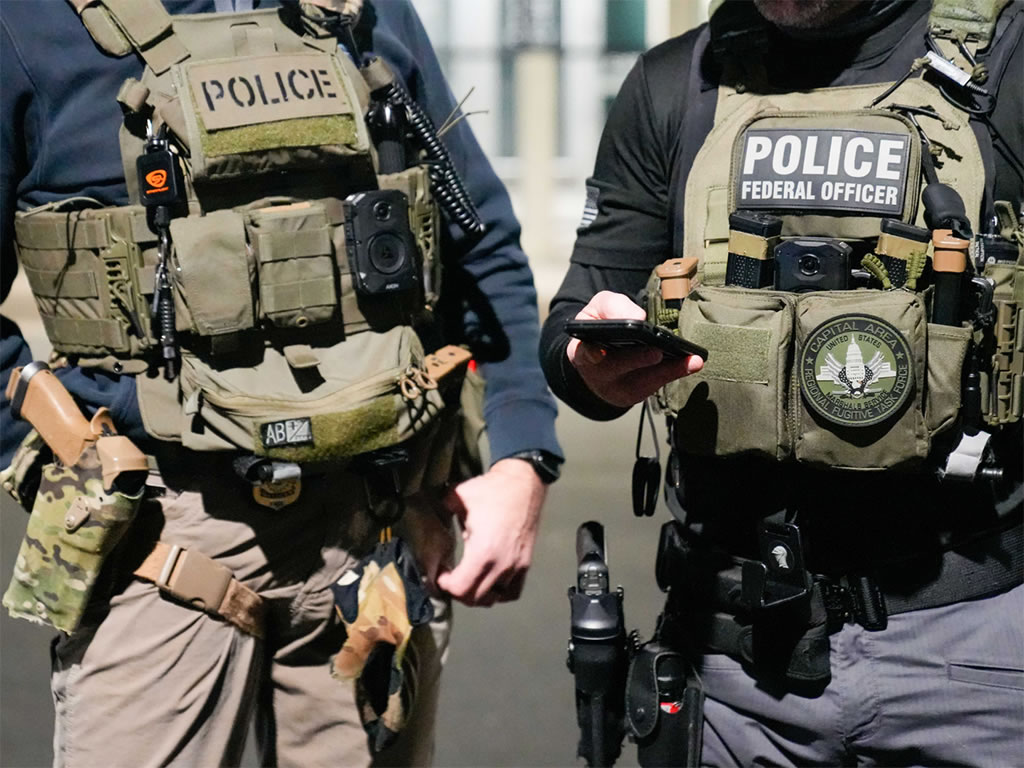
1. It protects the men and women who protect us. ICE and Border Patrol agents put their lives on the line every day. When policy and leadership back them instead of second-guessing every decision in real time, more good officers stay on the job and fewer get hurt. That’s not controversial—it’s common sense.
2. It restores deterrence. When word spreads that ICE operations will be carried out professionally but firmly, resistance drops over time. People who are here illegally and have no criminal record often self-deport or comply when they see enforcement has teeth. Those who choose to fight or flee face consequences. Strong enforcement reduces the need for force long-term.
3. It enables actual removal of threats. Mass deportation numbers have risen because operations are no longer half-measures. Removing individuals with criminal convictions, recent border crossers, and visa overstays makes communities safer. Every criminal alien removed is one less person committing crimes or draining public resources.
4. It reaffirms that laws mean something. A nation that cannot or will not enforce its immigration laws eventually loses control of its borders and its identity. Supporting ICE’s ability to use necessary force is not anti-immigrant—it is pro-legal immigration, pro-sovereignty, and pro-American worker. Legal immigrants and citizens benefit when the system functions.
5. It counters the narrative that enforcement itself is the problem. Critics want you to believe any use of force by ICE is inherently illegitimate. That’s nonsense. Police use force every day in this country when suspects resist. ICE is no different. The difference is the political target on their back.

Addressing the Hard Cases
Yes, there have been controversial incidents, including shootings involving U.S. citizens in early 2026. Every use of deadly force deserves thorough investigation. Agents who violate policy or law should face consequences. But the solution is not to disarm or demoralize the entire agency. It is better training, clear policies, body cameras where practical, and strong legal protections for officers who follow their training in dynamic, dangerous situations.
Reduced training standards or rushed hiring would be a legitimate concern—but the answer is to fix training, not to weaken enforcement. America needs more good agents, not fewer.
The Bottom Line
ICE using more force when necessary is not the problem. The problem was the years when agents were effectively told to lose.
A country that wants secure borders, safe communities, and respect for the rule of law must give its federal officers the tools and the backing to do the job. That includes the credible ability to meet violence with appropriate force.
The increase in enforcement activity and use-of-force incidents in 2025–2026 is evidence that the United States is finally serious again about controlling who enters and stays in the country. That seriousness is long overdue, and it is a net positive.
To the agents out there doing the work: Thank you. Stay safe, stay professional, and know that millions of Americans have your back when you do what the law and your training require.
To the critics: Enforcement isn’t pretty. But neither is open borders, cartel control, or dead Americans from drugs and crime that could have been prevented.
Law and order isn’t optional. ICE doing its job with the full authority it needs—including the use of force—isn’t a scandal. It’s how a serious country behaves.
Stay strong, America. The border (and the interior) is finally being defended again.