
In a dramatic escalation on February 20, 2026, President Donald Trump responded to a landmark Supreme Court decision striking down his sweeping emergency tariffs by immediately announcing and signing a new 10% across-the-board global tariff. The move, described by critics and supporters alike as “doubling down,” replaces the invalidated duties while signaling that the president’s aggressive trade agenda remains fully intact.
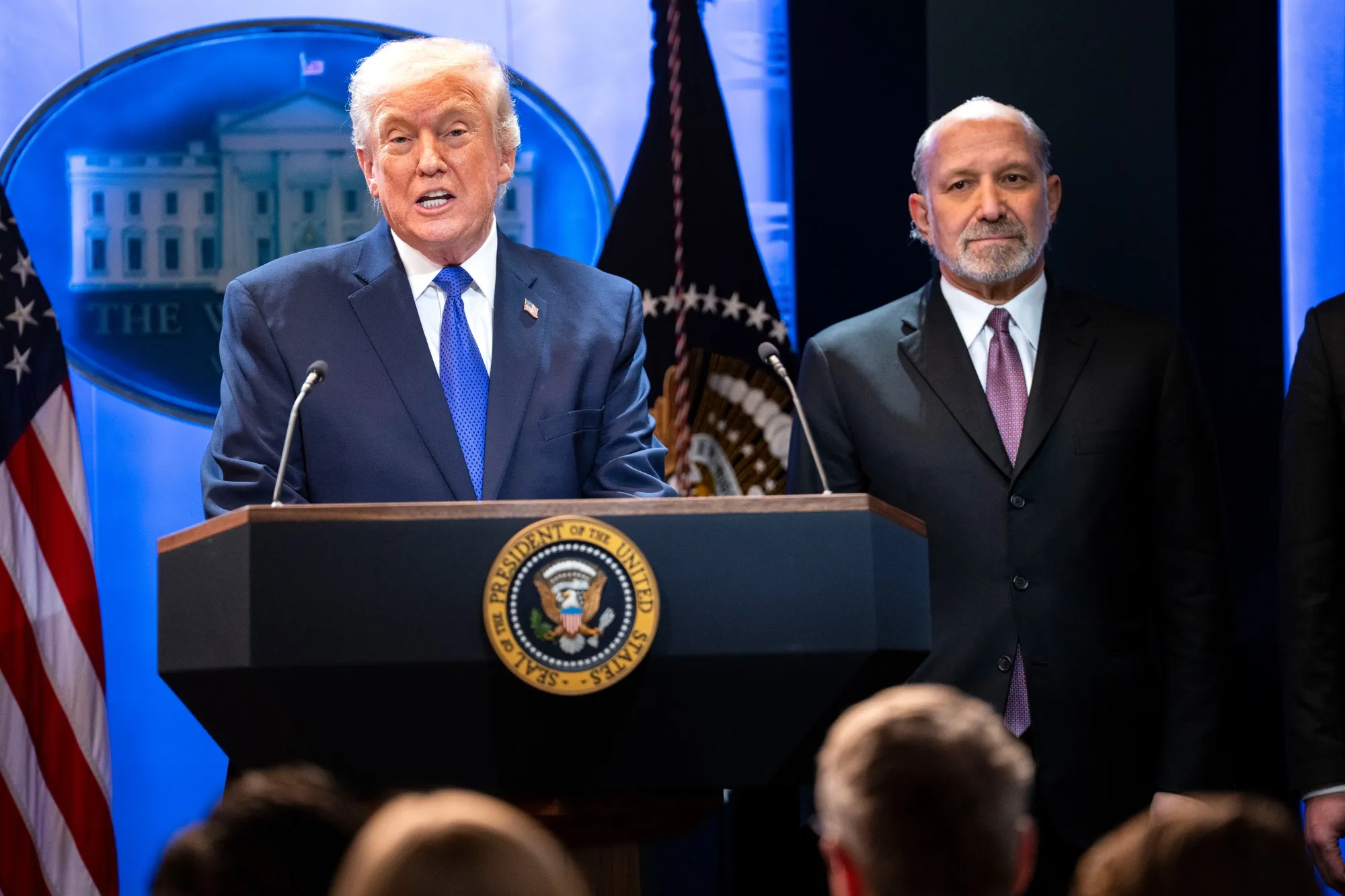
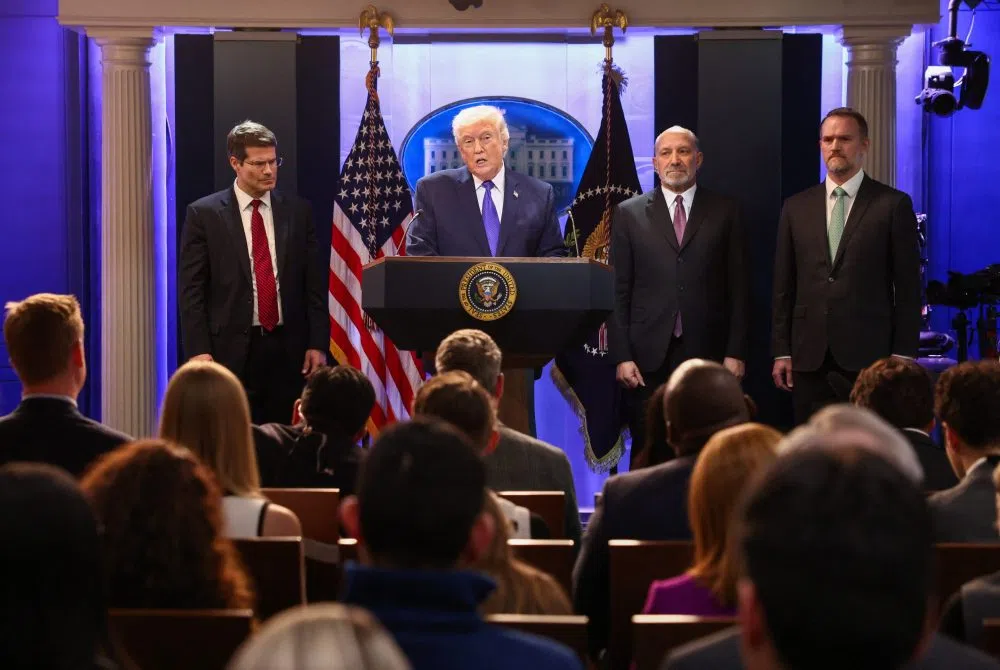
Trump addressed reporters at the White House flanked by key aides, calling the Supreme Court’s 6-3 ruling a “disgrace” and certain justices “lap dogs” and “fools.” Hours later, he posted on Truth Social that he had signed an executive order imposing the new tariff under Section 122 of the Trade Act of 1974—effective almost immediately.
Background: Trump’s Tariff Blitz in His Second Term
Since returning to the White House in January 2025, President Trump has made tariffs the centerpiece of his “America First” economic policy. Using the International Emergency Economic Powers Act (IEEPA), he imposed:
- “Trafficking tariffs” on China, Mexico, and Canada to combat fentanyl and border issues.
- “Reciprocal” tariffs starting at 10% on imports from nearly every trading partner, with higher rates on dozens of countries.
- Additional targeted duties on countries like Brazil, Russia, Cuba, and Iran.
These measures generated roughly $142 billion in revenue in 2025 alone and were projected to bring in trillions more over the decade. Trump framed them as tools to protect American workers, reduce trade deficits, and force better deals on drugs, immigration, and fair trade.
The Supreme Court Strikes Back: 6-3 Ruling Invalidates IEEPA Tariffs
In the consolidated case Learning Resources, Inc. v. Trump (and related challenges), the Supreme Court ruled that Trump exceeded presidential authority by invoking IEEPA—a 1977 law meant for genuine national emergencies—to impose broad, ongoing tariffs. Chief Justice John Roberts wrote the majority opinion, warning that the administration’s interpretation would give any president “unbounded” tariff power without congressional approval.
The court ordered the tariffs vacated. The White House promptly issued an executive order ending collection of the IEEPA-based duties and began processing potential refunds for importers.


Trump’s Immediate Counter: Section 122 and the New 10% Global Tariff
Undeterred, Trump pivoted within hours. Section 122 of the 1974 Trade Act allows the president to impose tariffs of up to 15% for 150 days to address balance-of-payments deficits—after which Congress must approve extensions. The new 10% levy applies to most imports on top of existing tariffs (with limited exemptions for critical minerals, energy, and certain metals).
Trump stated: “We’re going straight ahead with 10 percent, straight across the board… We have alternatives, great alternatives… a president can actually charge more tariffs than I was charging in the past.”
White House officials confirmed the new duties will more than offset lost revenue from the struck-down tariffs.

All of Trump’s executive orders from Week 1 : NPR
Economic Impacts: Higher Costs, Market Uncertainty, and Potential Leverage
Economists warn that tariffs are ultimately paid by U.S. importers and often passed on to consumers through higher prices. Historical data from Trump’s first term and 2025 shows that roughly 95% of tariff costs were absorbed domestically rather than by foreign exporters.


Projected effects of the new 10% global tariff:
- Increased prices for electronics, clothing, autos, and consumer goods.
- Higher input costs for U.S. manufacturers reliant on imported components.
- Potential retaliation from trading partners, though Trump’s team believes the temporary nature and broad scope will pressure negotiations.
- Short-term boost to federal revenue—estimated to replace much of the $1.5+ trillion projected from the old regime.
Supporters argue the policy protects strategic industries, brings manufacturing home, and gives the U.S. powerful leverage in trade talks. Critics, including many Democrats and some Republicans in battleground states, call it a “tax on American families” that risks inflation and supply-chain chaos.
Political Reactions: Praise from Base, Concern from Allies
- Trump allies hailed the move as proof the president refuses to back down to “activist judges” or globalists.
- Democrats (including Senate Leader Chuck Schumer) accused Trump of “doubling down on hurting American families.”
- Republicans showed mixed reactions—some quietly relieved the original emergency tariffs were gone (avoiding mid-term voter backlash), but worried the new levy could reignite inflation concerns heading into 2026 midterms.
- Global markets opened Friday evening with volatility; the dollar strengthened slightly while some import-heavy stocks dipped.
What Happens Next?
The new 10% tariff is temporary—lasting only 150 days unless Congress acts. That gives lawmakers a narrow window to weigh in, potentially codifying or modifying Trump’s trade strategy. Legal challenges to the Section 122 action are already being discussed, though the statute’s narrower scope makes it harder to overturn.
Trump has repeatedly said he is prepared to go even higher if needed. Whether this latest escalation forces concessions from trading partners or simply raises costs for Americans will define the next chapter of his second-term economic agenda.
One thing is certain: President Trump’s commitment to tariffs as a core tool of American power has not wavered. In his own words today, “Tariffs are beautiful… and we’re just getting started.”