
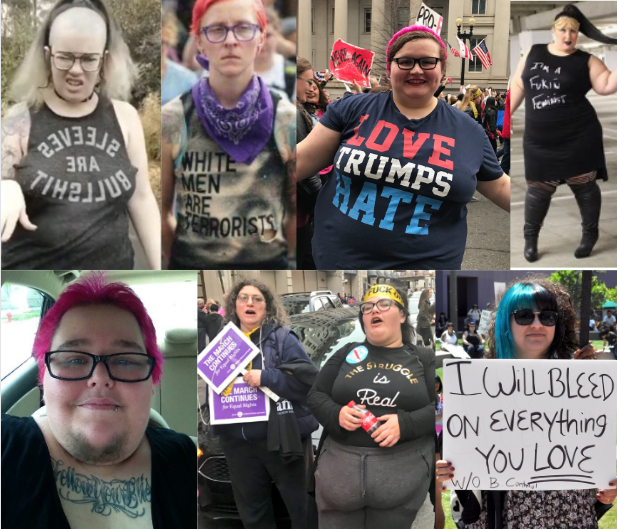
In the kaleidoscope of modern American politics, few figures loom as large—or as contradictorily—as the white liberal woman. She’s the one clutching her reusable coffee cup at the protest, her sign emblazoned with “Black Lives Matter” in perfect calligraphy, while her Instagram feed drips with filtered selfies from yoga retreats in Bali. She’s the embodiment of progressive ideals: fierce advocate for women’s rights, climate crusader, and ally to every marginalized group under the sun. But peel back the layers, and you uncover a provocative truth: her liberalism often serves as a shield for her own privileges, a performative dance that masks deeper hypocrisies. In this post, we’ll dive deep into the psyche, the power, and the pitfalls of the white liberal woman—unflinchingly, unapologetically. Buckle up; this isn’t your feel-good TED Talk.
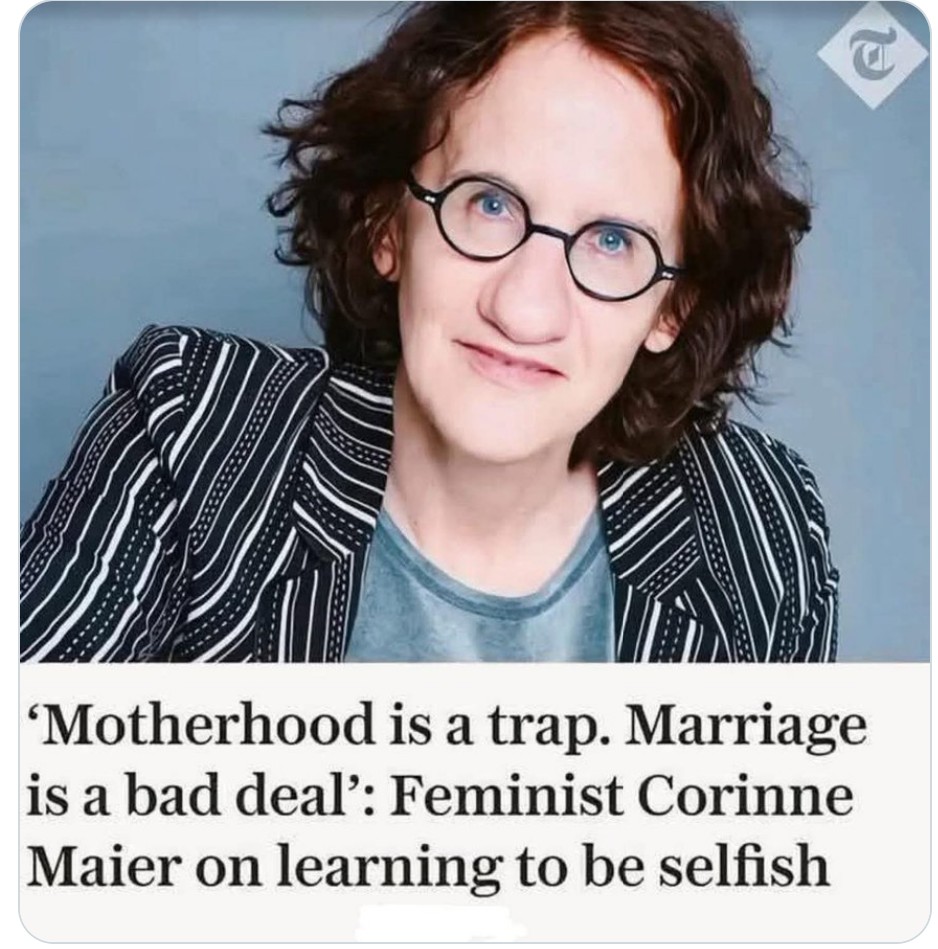
The Archetype: From Karen to Kamala’s Cheerleader
Let’s start with the archetype. Picture her: mid-30s, college-educated (likely an Ivy or a top liberal arts school), living in a gentrified neighborhood in Brooklyn or Seattle. She votes blue no matter who, donates to Planned Parenthood, and has a bookshelf groaning under the weight of Ta-Nehisi Coates and Roxane Gay. She’s not just liberal; she’s woke. Her social media is a battlefield of hashtags: #MeToo, #ClimateStrike, #TransRightsAreHumanRights. And yet, when push comes to shove, her activism often stops at the screen.
Provocatively, this woman isn’t new—she’s the evolution of the “white savior” trope, repackaged for the TikTok era. Remember the viral videos of white women at Black Lives Matter marches, tears streaming down their faces as they chant “I can’t breathe”? It’s emotional, it’s raw, but is it real? Critics argue it’s “white tears”—a phenomenon where white women’s emotional displays center themselves in narratives of oppression, stealing the spotlight from those actually oppressed. As author Robin DiAngelo points out in White Fragility, this fragility isn’t weakness; it’s a weapon. It shuts down conversations about race, redirecting focus to comforting the comforter.
And let’s not forget the “Karen” meme, that shorthand for entitled white women calling the cops on Black birdwatchers or demanding to speak to the manager. But here’s the twist: many Karens are liberals. They recycle religiously and vote for gun control, yet their knee-jerk reactions reveal an undercurrent of racial anxiety. It’s provocative to say, but white liberal women often wield their progressivism like a designer handbag—stylish, expensive, and ultimately about status.
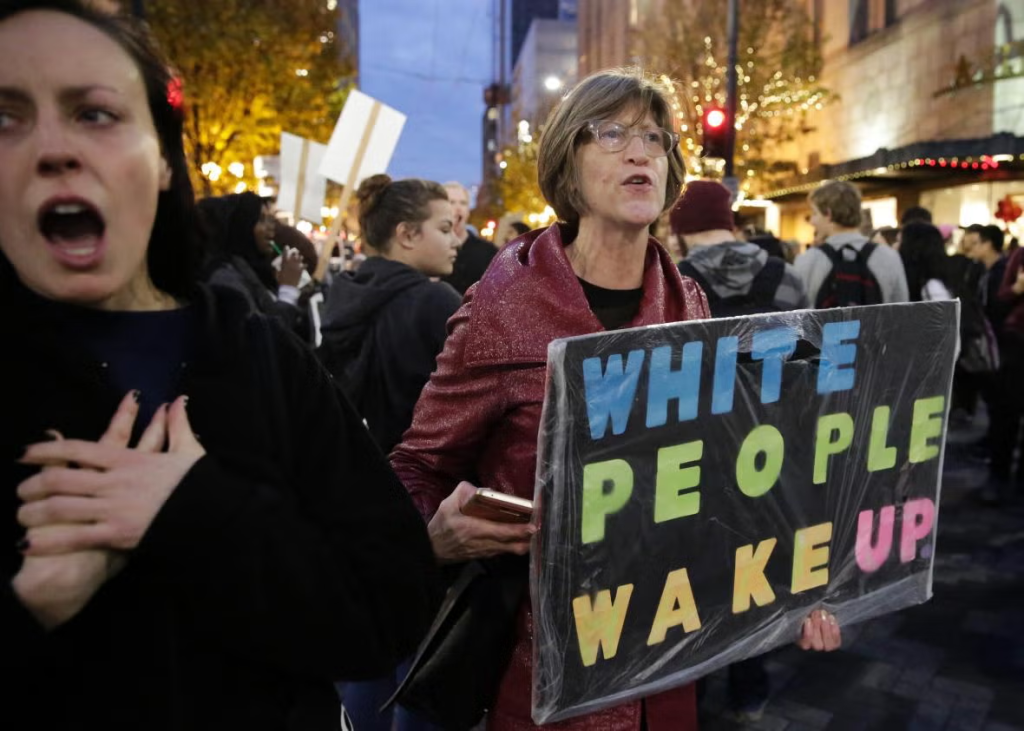
The Hypocrisy Hotline: Performative Allyship Exposed
Dig deeper, and the contradictions multiply. White liberal women champion feminism, yet their version often excludes women of color. Take the Women’s March of 2017: a sea of pink pussy hats, symbolizing unity. But for many Black and brown women, it felt exclusionary—a white feminist party where intersectionality was an afterthought. Tamika Mallory, co-chair of the march, faced backlash for her associations, highlighting the rift: white liberals demand purity from others while excusing their own blind spots.
Economically, it’s even more glaring. These women thrive in corporate America, climbing ladders in tech or media, preaching diversity while benefiting from systems built on inequality. They decry the patriarchy but marry wealthy men, send their kids to private schools in lily-white suburbs, and gentrify neighborhoods, pricing out the very communities they claim to support. Provocative question: Is their liberalism a genuine pursuit of justice, or a balm for white guilt? As comedian Dave Chappelle quipped in one of his specials, “White people love feeling guilty. It’s like a hobby.”
Sexually and culturally, the provocations intensify. White liberal women often embrace “empowerment” through hyper-sexualized trends—think OnlyFans as liberation or polyamory as rebellion against monogamy. But this freedom rings hollow when contrasted with their judgment of conservative women. They mock stay-at-home moms as oppressed, yet their own “girlboss” hustle culture burns out women in droves. And in the bedroom? The stereotype of the white liberal woman as experimental and open-minded persists, but it’s laced with irony: she preaches consent and body positivity, yet dating apps reveal preferences that skew toward… well, more whiteness.
The Power Play: Influencers, Voters, and Cultural Gatekeepers
Don’t underestimate her influence. White liberal women are the backbone of the Democratic Party’s voter base, turning out in droves for candidates like Elizabeth Warren or Kamala Harris. They’re the influencers shaping discourse—think Alexandria Ocasio-Cortez’s squad, amplified by white allies on social media. In Hollywood, they’re the producers greenlighting diverse stories, but often through a white lens (looking at you, The Help).
Yet this power comes with a dark side. Provocatively, white liberal women can be the most insidious enforcers of cancel culture. They police language with zeal—calling out “problematic” behavior while ignoring their own complicity. Remember the backlash against J.K. Rowling? White liberal women led the charge against her trans views, yet many quietly consume Harry Potter merch. It’s selective outrage: loud on social issues that don’t threaten their comfort, silent on ones that do—like labor rights for the nannies raising their kids.
In relationships, the dynamic gets spicy. White liberal women often date across the spectrum, touting interracial love as progress. But whispers abound: is it genuine connection or exoticism? And when it comes to raising mixed-race children, the challenges expose cracks—navigating identity in a world where mommy’s liberalism doesn’t erase systemic racism.
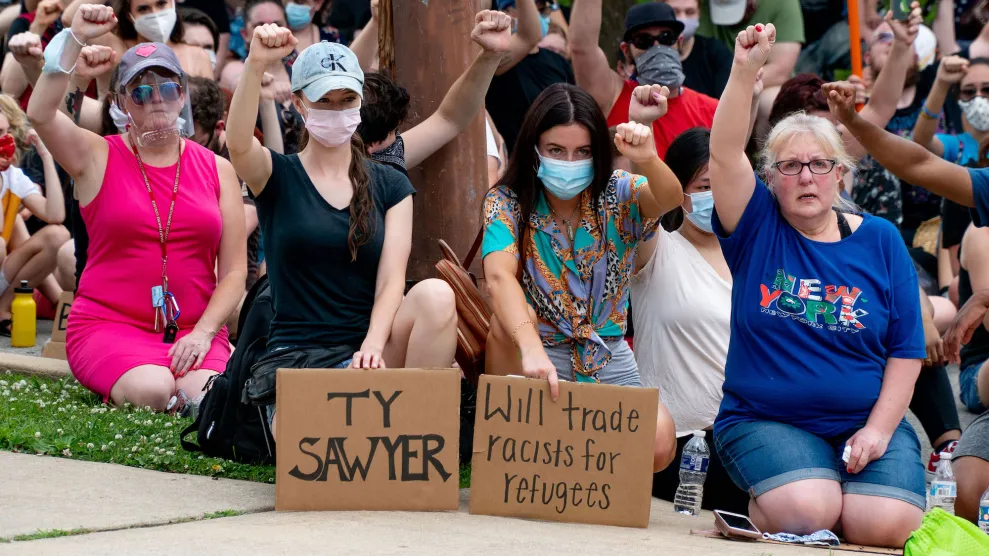
The Activist Persona: Marching for Change (From a Safe Distance)
Picture this: throngs of white liberal women flooding the streets, signs aloft proclaiming, “Black Lives Matter” or “Love is Love.” They’re the backbone of protests, the amplifiers of marginalized voices—or so they tell themselves. But peel back the layers, and you find a provocative truth: is this genuine solidarity or just another way to assuage white guilt while snapping selfies for social clout?
These women often hail from affluent suburbs, where their activism is as curated as their Pinterest boards. They champion defunding the police from gated communities, advocate for immigrant rights while sipping lattes in gentrified neighborhoods that displaced those very immigrants. The hypocrisy is deliciously ironic. Take the Women’s March of 2017: a sea of pink pussy hats, largely worn by white women, symbolizing resistance to Trump. Yet, critics argue it sidelined women of color, turning a potential revolution into a feel-good festival for the privileged.
The Redemption Arc? Or Just More Spin?
So, are white liberal women saviors or saboteurs? The truth is provocatively nuanced: they’re both and neither. In a polarized world, they represent the messy intersection of good intentions and systemic flaws. To evolve, they must confront their privileges head-on, amplify without centering themselves, and trade performative acts for substantive change.
Until then, they’ll remain a lightning rod for debate—loved by some, loathed by others, but impossible to ignore. What’s your take? Drop a comment below, but remember keep it civil, or you might just summon a Karen.