
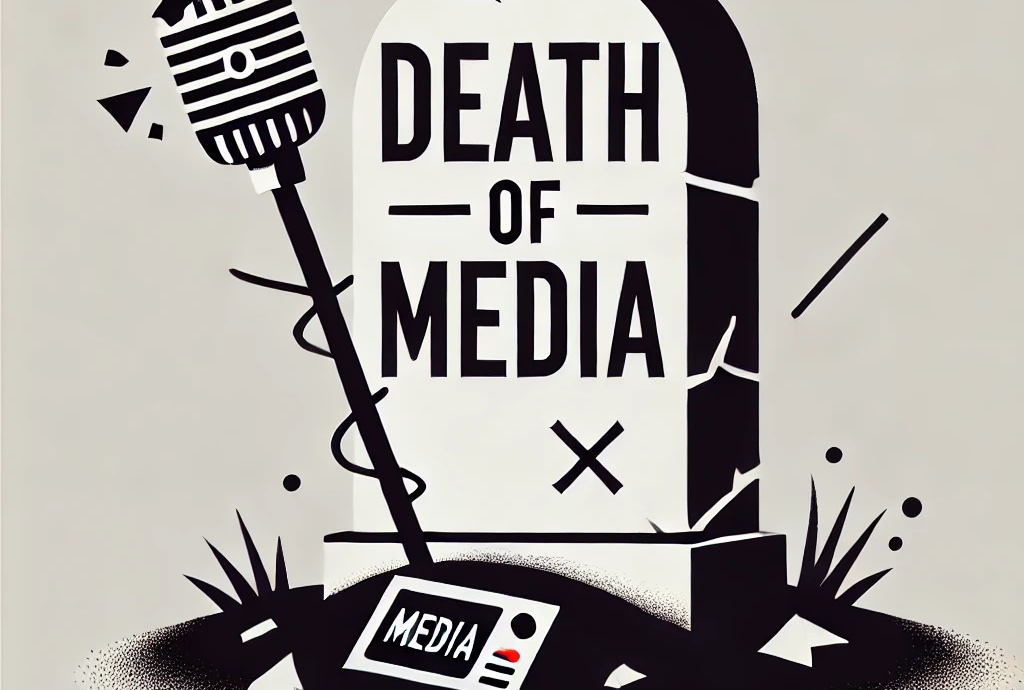
In an era where information flows faster than ever, legacy media—think established giants like The New York Times, CNN, and Fox News—still hold significant sway over public opinion. But beneath the veneer of objectivity lies a pervasive issue: bias. Whether it’s ideological slant, corporate influence, or selective reporting, legacy media often shapes narratives to fit agendas rather than reflect reality. This blog post dives into the mechanics of legacy media bias, backed by studies and examples, and explores its broader implications.
What is Legacy Media Bias?
Legacy media refers to traditional outlets like newspapers, television networks, and radio stations that predate the digital age. Bias in these institutions can manifest as favoritism toward certain political ideologies, omission of inconvenient facts, or sensationalized framing. According to a Knight Foundation study, people with unfavorable views of news media estimate that 55% of content in legacy outlets is inaccurate, highlighting widespread perceptions of slant. Another analysis measures bias through omitted stories that are politically relevant but unfavorable to one side.
To visualize this, media bias charts plot outlets on a spectrum from left to right, assessing reliability and partisanship. Here’s a prominent example:
These charts reveal how outlets like MSNBC lean left while Fox News tilts right, often prioritizing narrative over nuance.
Examples of Bias in Action
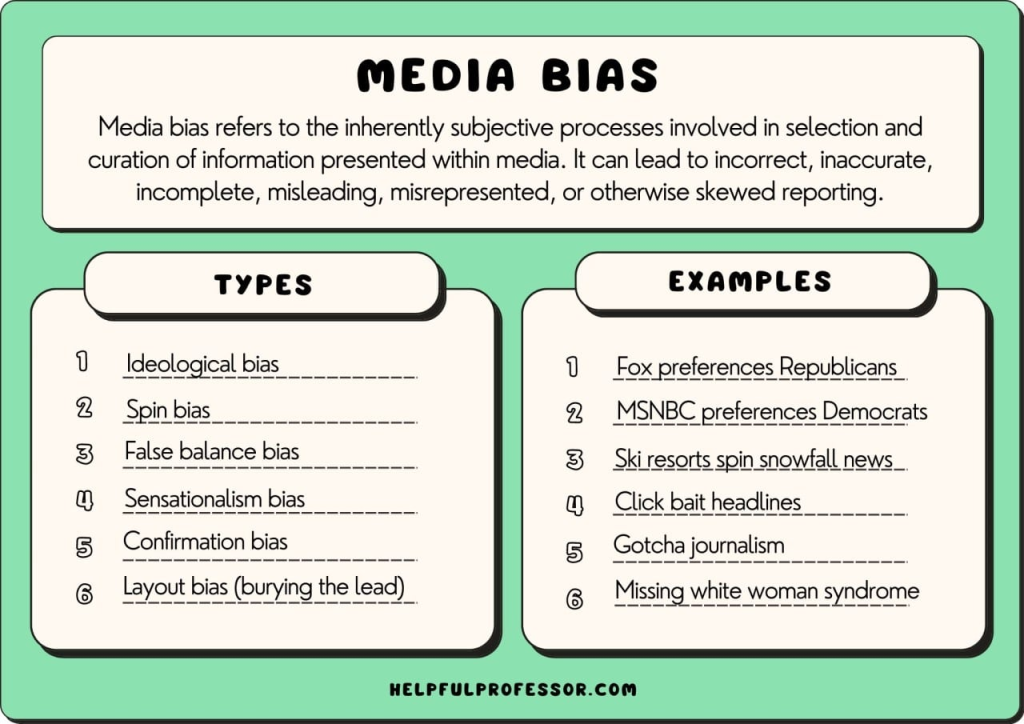
Real-world examples abound. During election coverage, headlines can twist facts to favor one candidate. For instance, a study on newspaper coverage of congressional scandals found systematic bias, where media indicted outlets for pro-Democratic slants by downplaying negative stories about favored politicians. In foreign affairs, Western legacy media has been accused of complicity in framing conflicts, such as the 2023/24 Gaza war, through selective epistemic narratives.
Biased headlines are a classic tactic—exaggerating one angle while ignoring another. Take a look at these illustrative examples:
Such framing isn’t accidental; it’s often driven by audience retention and ad revenue.
Causes Behind the Bias
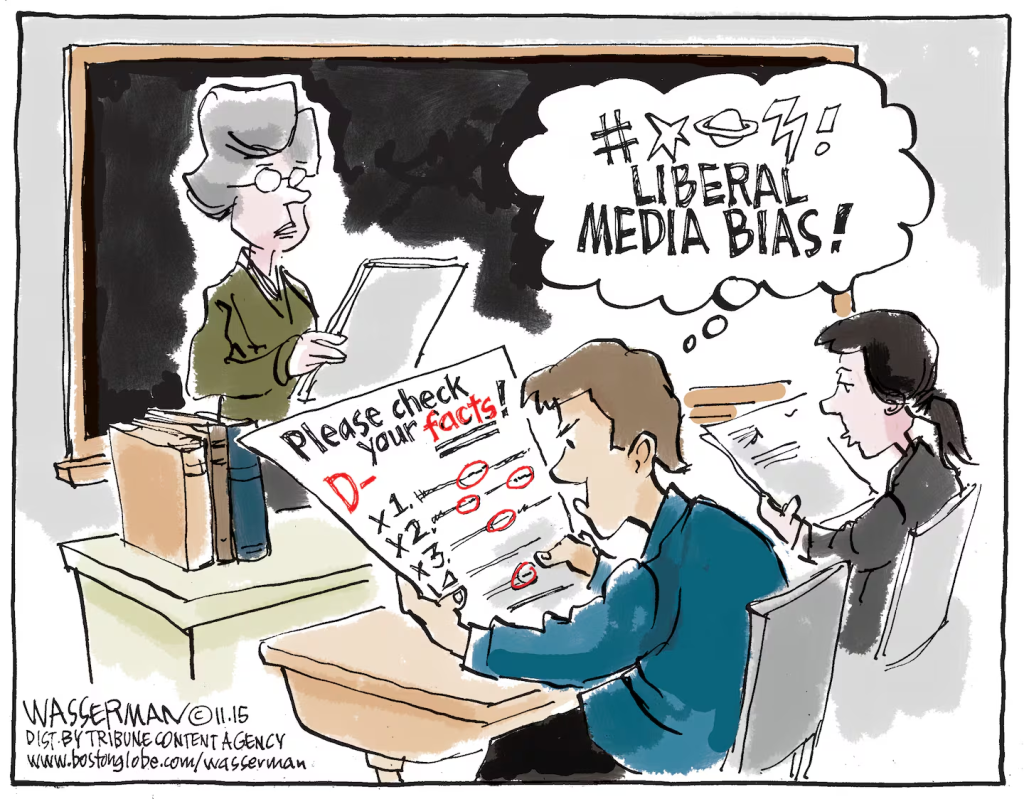
Why does this happen? Corporate ownership plays a huge role—media conglomerates like Disney (ABC) or Comcast (NBC) have vested interests that influence editorial decisions. A deep learning analysis of defense and foreign affairs coverage showed how political biases affect topic selection and language, even in supposedly neutral reporting. Additionally, journalists’ personal ideologies seep in; surveys indicate many lean progressive, leading to what critics call a “liberal media bias.”
Social media exacerbates this by amplifying echo chambers, but legacy media sets the tone. As one analysis notes, modern habits like consuming news via platforms further entrench biases inherited from traditional sources. Even in science reporting, while legacy media can alleviate anti-science views, it often cherry-picks data to fit prevailing narratives.
For a satirical take, this cartoon captures the absurdity of perceived imbalances:
The Impact on Society
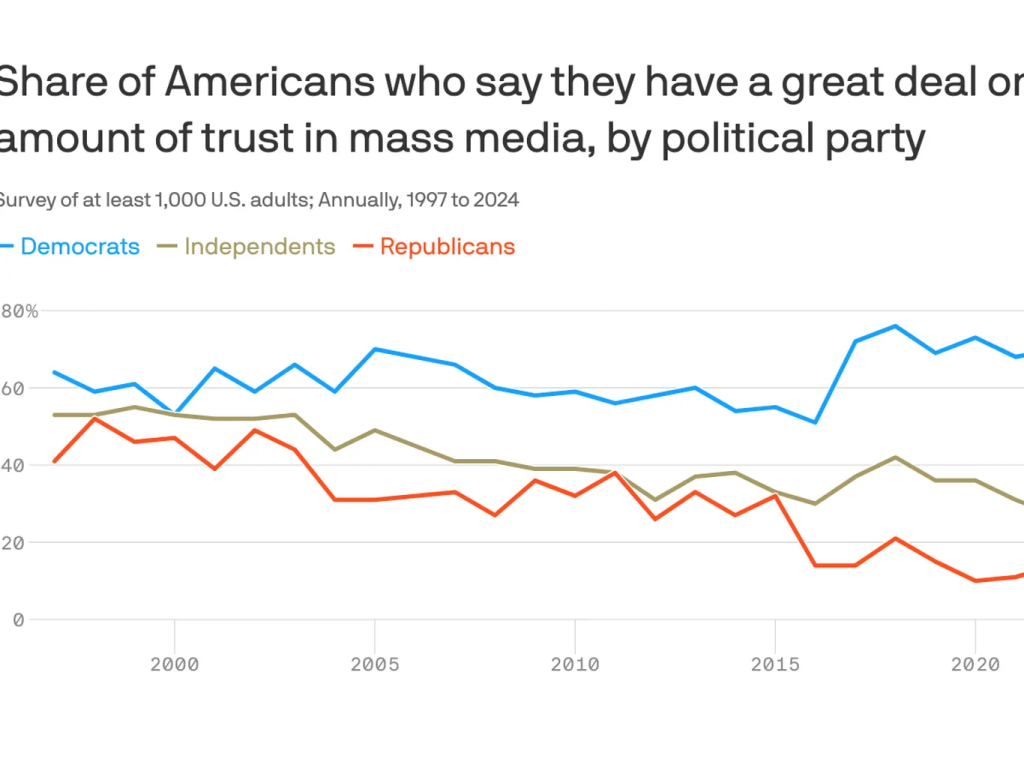
The consequences are profound. Declining trust in legacy media erodes democratic discourse— a recent study links reduced use of traditional news to shifting attitudes toward elections. Gallup polls show trust hitting historic lows, with partisans viewing opposing outlets as hopelessly biased.
Here’s a graph illustrating this downward trend:
This erosion fuels polarization, where facts become subjective, and alternative facts thrive. In extreme cases, it amplifies fear through repeated messaging, as seen in comparisons between legacy and social media consumption.
Alternatives and Moving Forward
As legacy media falters, independent journalism, podcasts, and citizen reporting rise. Platforms like Substack allow unfiltered voices, though they risk their own biases. Consumers can combat this by cross-referencing sources—using tools like media bias charts to diversify intake.
Critics argue legacy media clings to outdated models, treating opinion as secondary while failing to adapt. The future? A hybrid where accountability trumps agenda.
In conclusion, legacy media bias isn’t a conspiracy—it’s a systemic flaw substantiated by omissions, framing, and incentives. By recognizing it, we empower ourselves to seek truth beyond the headlines. Stay vigilant, question everything, and demand better.